Special Web Offer - Get 50% OFF!
Grab Your Deal Now
PlantSnap
Plant Care
Bilimbi
(Averrhoa bilimbi)
Also Known As
Bilimbi, Cucumber tree, Tree sorrel
About This Plant
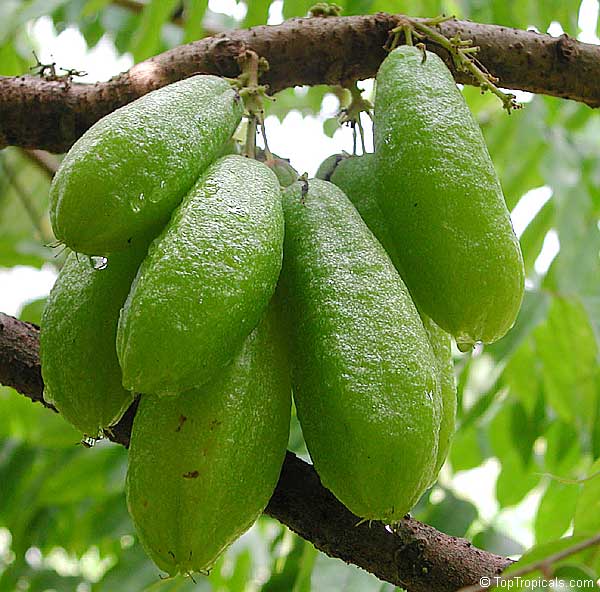
Averrhoa bilimbi is a fruit-bearing tree that belongs to the family Oxalidaceae. It is also known as the cucumber tree, tree sorrel, bilimbi, and kamias. The tree is small, reaching up to 5-10 meters in height, and has a short trunk with a dense canopy of leaves. It produces small, green fruits that are sour and used in various culinary dishes.
Plant Care Instructions
Outdoor Size Range
The tree can grow up to 5-10 meters in height and 3-5 meters in width (15-30 feet in height and 10-15 feet in width)
Light Requirements
The tree requires full sun exposure to grow and produce fruits. It can tolerate partial shade, but it may affect the fruit production.
Humidity Needs
The tree prefers high humidity levels, but it can tolerate low humidity levels if the soil is kept moist.
Fertilizing Schedule
The tree requires regular fertilization with a balanced fertilizer to promote healthy growth and fruit production.
Pruning Guidelines
The tree requires regular pruning to maintain its shape and promote healthy growth. It is recommended to prune the tree after the fruiting season.
Common Pests and Diseases
The tree is susceptible to various pests and diseases, including fruit flies, scales, and powdery mildew. Regular monitoring and treatment with appropriate pesticides are recommended.
Indoor Size Range
Not suitable for indoor cultivation
Watering Schedule
The tree requires regular watering, especially during the dry season. It prefers well-draining soil and can tolerate occasional flooding.
Temperature Range
The tree prefers warm temperatures between 20-35°C (68-95°F). It can tolerate lower temperatures, but it may affect the fruit production.
Growing Season
The tree can produce fruits year-round in tropical regions. In subtropical regions, the fruiting season is from late spring to early fall.
Growing Difficulty Level
Averrhoa bilimbi is considered easy to grow, especially in tropical and subtropical regions.
USDA Hardiness Zones
Averrhoa bilimbi is not suitable for cultivation in USDA hardiness zones, as it requires tropical or subtropical climates.
Did You Know?
In traditional medicine, the leaves and fruit of Averrhoa bilimbi are used to treat various ailments, including cough, fever, and hypertension.
