Special Web Offer - Get 50% OFF!
Grab Your Deal Now
PlantSnap
Plant Care
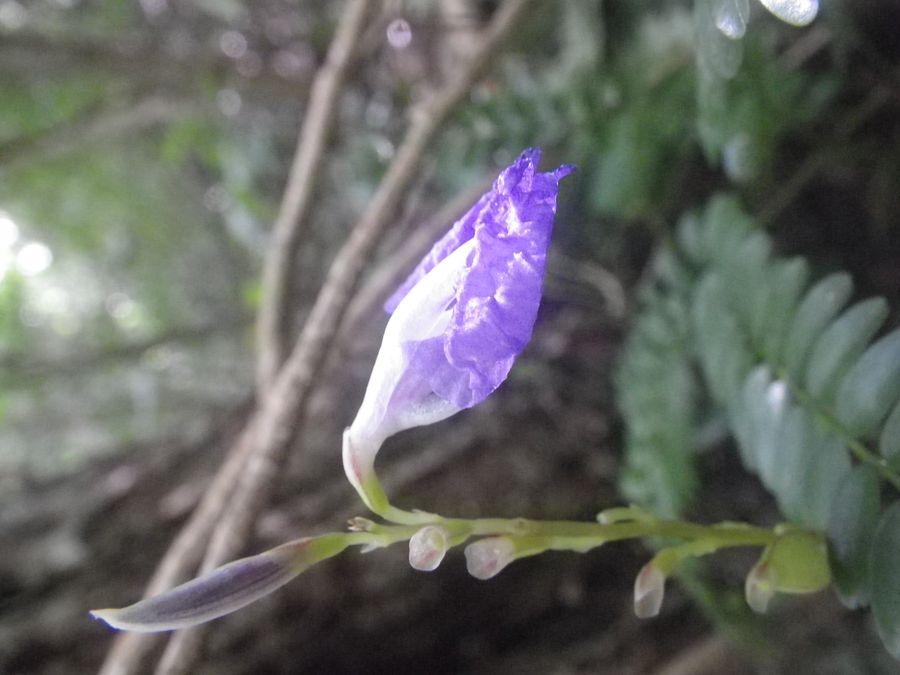
Aulotandra orchid
(Aulotandra trigonocarpa)
Also Known As
Aulotandra orchid, Three-cornered fruit, Triangular-fruited aulotandra
About This Plant
Aulotandra trigonocarpa is a rare and exotic plant species that belongs to the family Araceae. It is an evergreen plant that grows upright, with a thick stem and large, glossy, dark-green leaves. The plant is native to tropical rainforests in South America and is known for its unique triangular-shaped fruit.
Plant Care Instructions
Outdoor Size Range
48-60 inches (122-152 cm)
Light Requirements
Aulotandra trigonocarpa prefers bright, indirect light. Direct sunlight can scorch the leaves, while too little light can cause the plant to become leggy and weak.
Humidity Needs
Aulotandra trigonocarpa prefers high humidity levels, around 60-70%. You can increase humidity by placing a tray of water near the plant or using a humidifier.
Fertilizing Schedule
Fertilize the plant monthly during the growing season (spring and summer) with a balanced, water-soluble fertilizer. Do not fertilize during the winter months.
Pruning Guidelines
Prune the plant to remove any yellow or damaged leaves. You can also prune the plant to maintain its shape and size.
Common Pests and Diseases
Common pests for Aulotandra trigonocarpa include spider mites, mealybugs, and scale insects. These can be treated with insecticidal soap or neem oil.
Indoor Size Range
24-36 inches (61-91 cm)
Watering Schedule
Water the plant when the top inch of soil feels dry to the touch. The plant prefers moist but not waterlogged soil. Avoid letting the soil dry out completely, as this can cause the leaves to wilt.
Temperature Range
Aulotandra trigonocarpa prefers temperatures between 65-80°F (18-27°C). Avoid exposing the plant to temperatures below 60°F (15°C) or above 90°F (32°C).
Growing Season
The growing season for Aulotandra trigonocarpa is spring and summer.
Growing Difficulty Level
Aulotandra trigonocarpa is considered moderately difficult to grow. It requires high humidity levels and consistent watering, but is otherwise relatively low-maintenance.
USDA Hardiness Zones
Aulotandra trigonocarpa is not frost-tolerant and is best grown indoors or in a greenhouse. It is not assigned a USDA hardiness zone.
Did You Know?
Aulotandra trigonocarpa is also known as the 'Triangle Fruit Aulotandra' due to the unique shape of its fruit, which resembles a triangle.