Special Web Offer - Get 50% OFF!
Grab Your Deal Now
PlantSnap
Plant Care
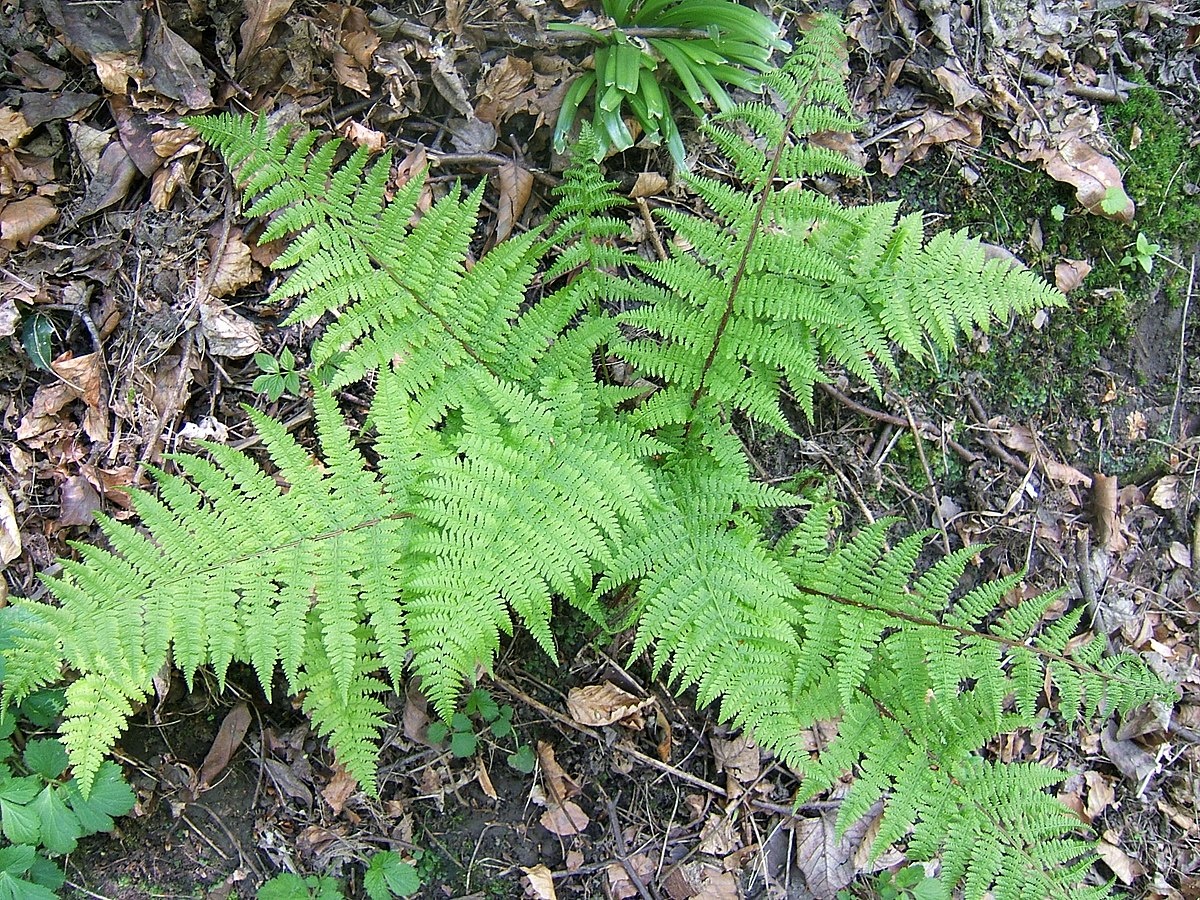
Lady fern
(Athyrium filix-femina)
Also Known As
Lady fern, Northern lady fern, Common lady fern
About This Plant
Athyrium filix-femina is a fern species that is native to temperate regions of the Northern Hemisphere. It has delicate, lacy fronds that can grow up to 3 feet (91 cm) tall and 2 feet (61 cm) wide. The fronds are a bright green color and are arranged in a circular pattern.
Plant Care Instructions
Outdoor Size Range
2-3 feet (61-91 cm)
Light Requirements
Lady ferns prefer partial to full shade, making them a great option for gardens with limited sunlight. Direct sunlight can scorch the delicate fronds.
Humidity Needs
Lady ferns thrive in high humidity environments. They can benefit from regular misting or placement in a humid room.
Fertilizing Schedule
Feed lady ferns with a balanced fertilizer every 4-6 weeks during the growing season (spring through fall).
Pruning Guidelines
Remove any dead or damaged fronds as needed. Lady ferns can be cut back to the ground in the fall to encourage new growth in the spring.
Common Pests and Diseases
Lady ferns are relatively pest-free, but they can be susceptible to scale insects and mealybugs. Regular inspection and treatment with insecticidal soap can help prevent infestations.
Indoor Size Range
N/A
Watering Schedule
Lady ferns prefer consistently moist soil, but not waterlogged. Water when the top inch of soil feels dry to the touch.
Temperature Range
Lady ferns prefer cool to moderate temperatures, ranging from 60-75°F (16-24°C). They can tolerate slightly warmer temperatures if given enough humidity.
Growing Season
Lady ferns grow best in the spring and fall, but can continue to grow throughout the summer if given enough water and shade.
Growing Difficulty Level
Lady ferns are relatively easy to grow and maintain, making them a great option for beginner gardeners.
USDA Hardiness Zones
Lady ferns are hardy in USDA zones 3-8.
Did You Know?
In traditional medicine, lady ferns have been used to treat a variety of ailments, including respiratory infections, skin conditions, and digestive issues.
