Special Web Offer - Get 50% OFF!
Grab Your Deal Now
PlantSnap
Plant Care
Bird's nest fern
(Asplenium antiquum)
Also Known As
Bird's nest fern, Japanese bird's nest fern, Kukui fern
About This Plant
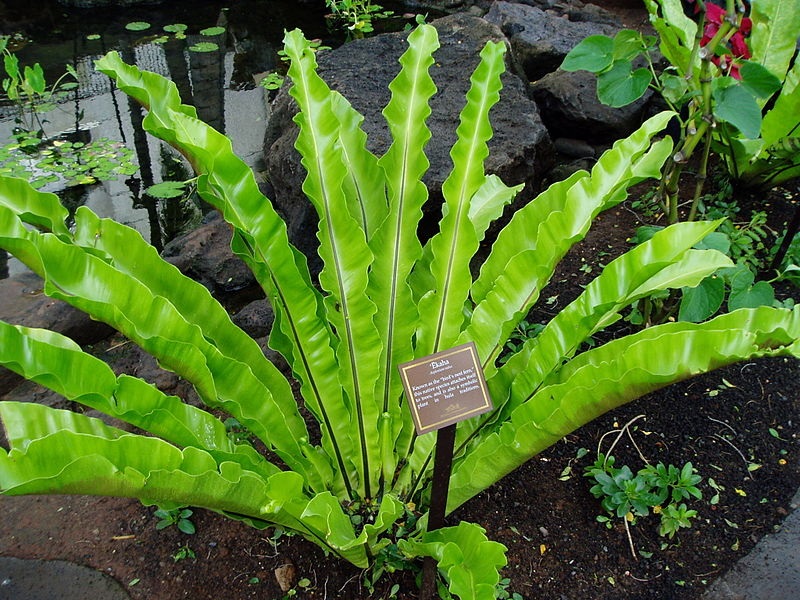
Asplenium antiquum is a fern species that is native to tropical regions of Asia and the Pacific. It has long, arching fronds that are dark green and glossy, with a slightly ruffled texture. This plant is commonly known as the 'Bird's Nest Fern' due to the way its fronds grow in a circular arrangement that resembles a bird's nest.
Plant Care Instructions
Outdoor Size Range
12-36 inches (30-90 cm)
Light Requirements
Bird's Nest Ferns prefer bright, indirect light. Direct sunlight can scorch their leaves, while too little light can cause the plant to become leggy and weak.
Humidity Needs
Asplenium antiquum prefers high humidity levels, ideally between 50-80%. You can increase humidity by misting the leaves regularly, placing a humidifier nearby, or grouping the plant with other moisture-loving plants.
Fertilizing Schedule
Feed this plant every 2-4 weeks during the growing season (spring and summer) with a balanced liquid fertilizer. Dilute the fertilizer to half strength to avoid overfeeding.
Pruning Guidelines
Prune away any yellow or brown fronds as they appear, using clean, sharp scissors. You can also trim back any leggy growth to encourage bushier growth.
Common Pests and Diseases
Common pests for Asplenium antiquum include mealybugs, scale insects, and spider mites. Keep an eye out for any signs of infestation, such as webbing or sticky residue on the leaves.
Indoor Size Range
12-24 inches (30-60 cm)
Watering Schedule
This plant likes to be kept consistently moist, but not waterlogged. Water it when the top inch of soil feels dry to the touch, and be sure to use room-temperature water to avoid shocking the roots.
Temperature Range
This plant prefers temperatures between 60-75°F (15-24°C). Avoid placing it near cold drafts or heating vents, as this can cause stress to the plant.
Growing Season
Spring and summer are the best times to grow this plant, as it prefers warm temperatures and increased humidity during these seasons.
Growing Difficulty Level
Bird's Nest Ferns are considered to be moderately easy to grow, as long as their basic needs for light, water, and humidity are met.
USDA Hardiness Zones
Asplenium antiquum is not frost-tolerant and is best grown in USDA hardiness zones 10-12.
Did You Know?
The Bird's Nest Fern gets its name from the way its fronds grow in a circular arrangement that resembles a bird's nest. This plant is also known for its air-purifying qualities, making it a popular choice for indoor spaces.