Special Web Offer - Get 50% OFF!
Grab Your Deal Now
PlantSnap
Plant Care
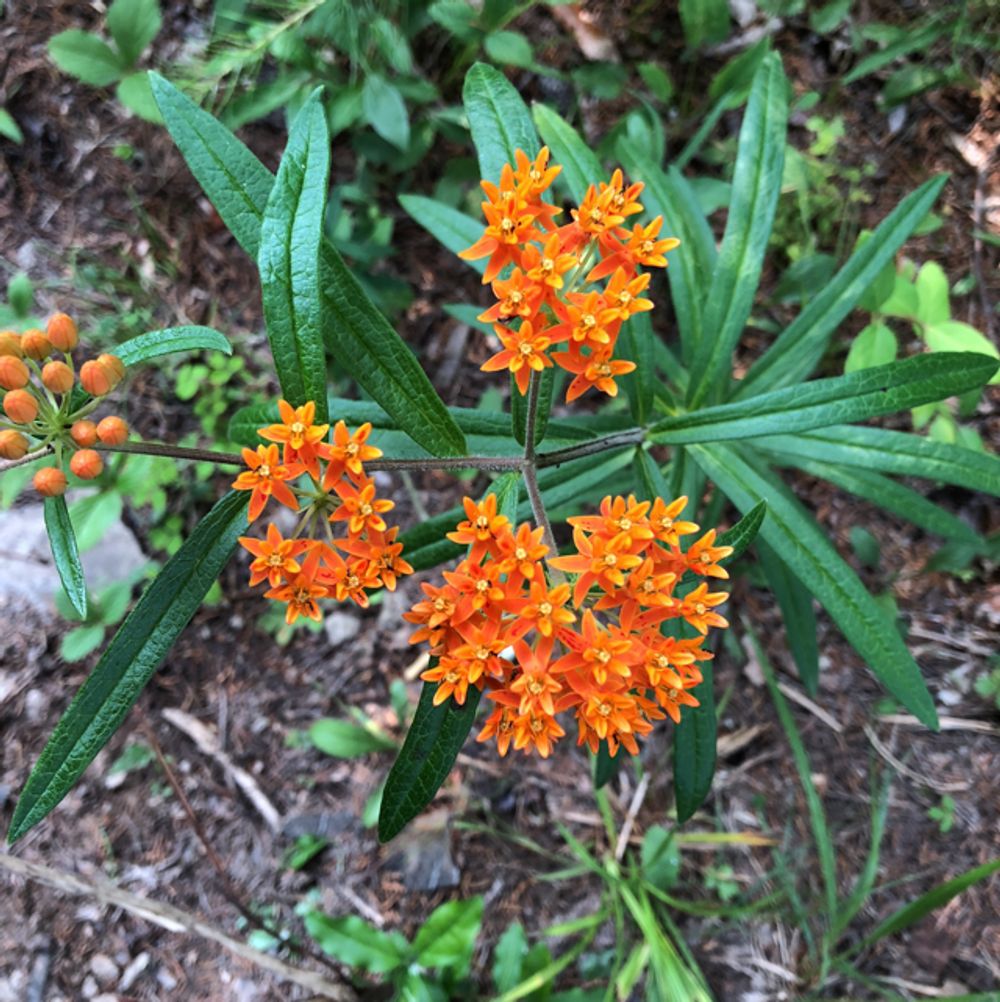
Butterfly weed
(Asclepias tuberosa)
Also Known As
Butterfly weed, Milkweed, Pleurisy root, Indian root
About This Plant
Asclepias tuberosa is a species of milkweed native to eastern and southwestern North America. It is commonly known as butterfly weed because of the butterflies that are attracted to the plant's bright orange flowers. The plant grows up to 3 feet (91 cm) tall and has a spread of 1-2 feet (30-61 cm). It has narrow leaves and produces clusters of orange or yellow flowers in the summer.
Plant Care Instructions
Outdoor Size Range
Height: 1-3 feet (30-91 cm), Spread: 1-2 feet (30-61 cm)
Light Requirements
Butterfly weed requires full sun to grow and flower. It needs at least 6 hours of direct sunlight per day.
Humidity Needs
Butterfly weed can tolerate a wide range of humidity levels and does not require any special humidity conditions.
Fertilizing Schedule
Butterfly weed does not require fertilizer. However, you can add a slow-release fertilizer in the spring to promote growth.
Pruning Guidelines
Prune butterfly weed in the fall or early spring to remove dead or damaged stems. You can also cut back the plant after it has finished flowering to promote bushier growth.
Common Pests and Diseases
Common pests for butterfly weed include aphids, milkweed bugs, and spider mites. Diseases that can affect the plant include powdery mildew and leaf spot.
Indoor Size Range
Not suitable for indoor growing
Watering Schedule
The plant is drought tolerant and does not require frequent watering. Water it only when the soil is dry to the touch.
Temperature Range
The plant is hardy in USDA zones 4-9 and can tolerate a wide range of temperatures. It can survive in temperatures as low as -30°F (-34°C) and as high as 100°F (38°C).
Growing Season
Butterfly weed blooms from June to August in most areas.
Growing Difficulty Level
Butterfly weed is easy to grow and care for. It is a hardy plant that can tolerate a wide range of growing conditions.
USDA Hardiness Zones
4-9
Did You Know?
Butterfly weed is the larval host plant for the queen and monarch butterfly species. The plant contains toxins that are poisonous to most animals, but monarch butterfly caterpillars are able to store the toxins in their bodies, making them unpalatable to predators.
