Special Web Offer - Get 50% OFF!
Grab Your Deal Now
PlantSnap
Plant Care
Common milkweed
(Asclepias syriaca)
Also Known As
Common milkweed, Butterfly milkweed, Silkweed
About This Plant
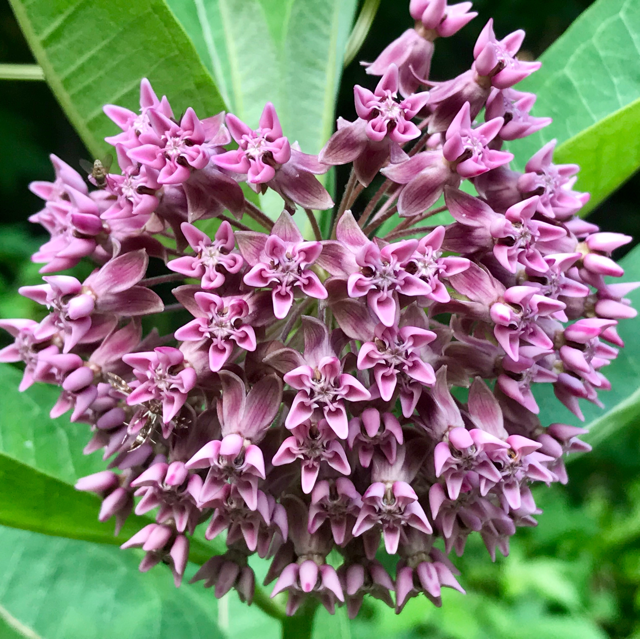
Asclepias syriaca, commonly known as common milkweed or butterfly flower, is a herbaceous perennial plant species that belongs to the family Apocynaceae. The plant has a thick, vertical rhizome and grows up to 6 feet (1.8 meters) tall. It features large, oval, pointed leaves and produces clusters of small, fragrant, pink to purple flowers in the summer.
Plant Care Instructions
Outdoor Size Range
48-72 inches (122-183 cm)
Light Requirements
Asclepias syriaca prefers full sun but can tolerate partial shade. It requires at least 6 hours of direct sunlight per day.
Humidity Needs
Asclepias syriaca does not require high humidity levels.
Fertilizing Schedule
The plant does not require fertilization but can benefit from a light application of balanced fertilizer in the spring.
Pruning Guidelines
Asclepias syriaca does not require pruning but can be cut back in the fall after the leaves have turned brown.
Common Pests and Diseases
Common pests that affect Asclepias syriaca include aphids, spider mites, and milkweed bugs. The plant is also susceptible to fungal diseases such as leaf spot and powdery mildew.
Indoor Size Range
Not suitable for indoor growth
Watering Schedule
The plant is drought-tolerant and requires moderate watering. It should be watered deeply once a week during dry spells.
Temperature Range
The plant is hardy in USDA zones 3 to 9 and can tolerate temperatures as low as -40°F (-40°C).
Growing Season
The growing season for Asclepias syriaca is from late spring to early fall.
Growing Difficulty Level
Asclepias syriaca is easy to grow and requires minimal maintenance.
USDA Hardiness Zones
3 to 9
Did You Know?
Asclepias syriaca is the host plant for the monarch butterfly and is an important food source for many other pollinators.
