Special Web Offer - Get 50% OFF!
Grab Your Deal Now
PlantSnap
Plant Care
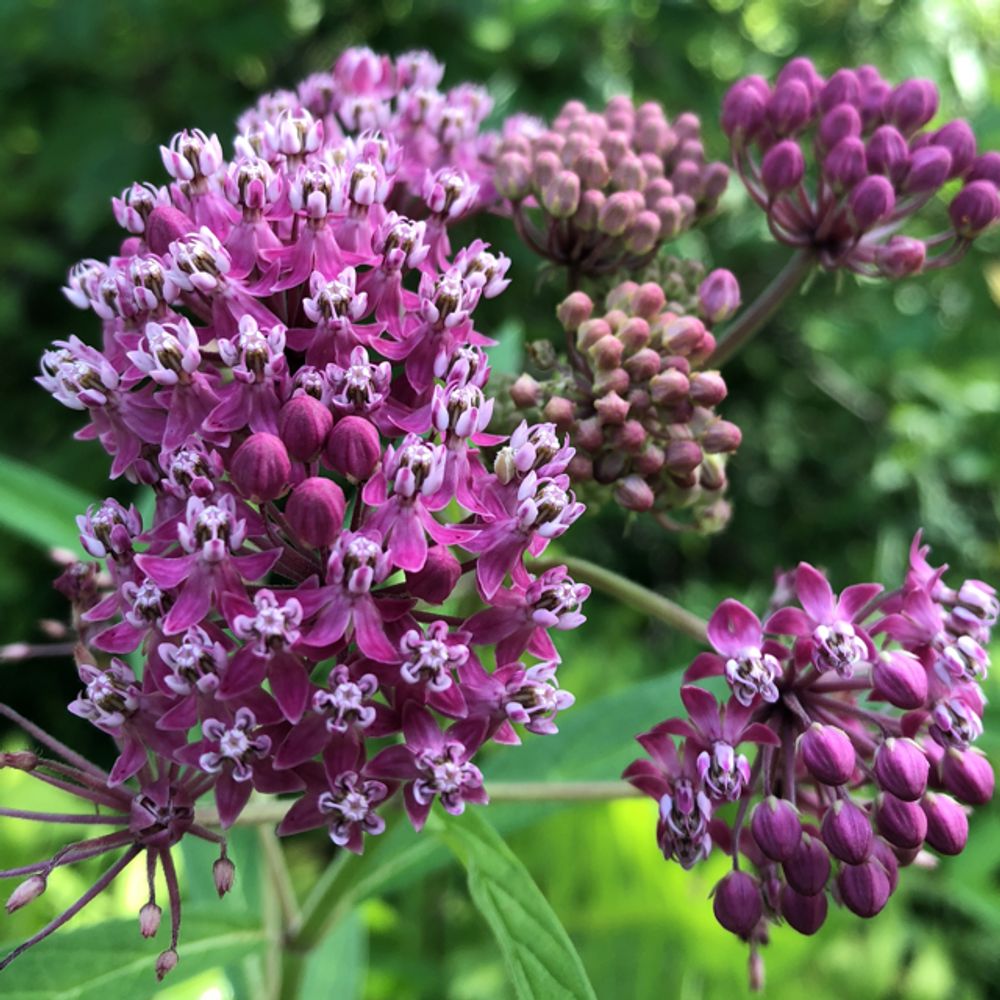
Swamp milkweed
(Asclepias incarnata)
Also Known As
Swamp milkweed, Scarlet milkweed, Rose milkweed, Marsh milkweed
About This Plant
Asclepias incarnata is a herbaceous perennial plant species that belongs to the family Apocynaceae. It is commonly known as swamp milkweed or rose milkweed. The plant can grow up to 3-4 feet (90-120 cm) in height and 2-3 feet (60-90 cm) in width. The plant has a straight stem with opposite, lance-shaped leaves that are 3-6 inches (7.5-15 cm) long.
Plant Care Instructions
Outdoor Size Range
Height: 3-4 feet (90-120 cm), Width: 2-3 feet (60-90 cm)
Light Requirements
Swamp milkweed requires full sun to partial shade. It needs at least 6 hours of direct sunlight daily.
Humidity Needs
The plant grows well in average humidity levels. It can tolerate low humidity levels but needs to be watered more frequently in dry conditions.
Fertilizing Schedule
The plant does not require much fertilizer. A balanced fertilizer can be applied once a month during the growing season.
Pruning Guidelines
Prune the plant in early spring before new growth appears. Cut back the stems to 6-8 inches (15-20 cm) above the soil. Deadhead the flowers to encourage new growth.
Common Pests and Diseases
Swamp milkweed is relatively pest-free, but it can be affected by aphids, spider mites, and milkweed bugs. These pests can be controlled with insecticidal soap or neem oil.
Indoor Size Range
Not suitable for indoor growth
Watering Schedule
The plant requires moderate watering. Keep the soil moist but not waterlogged. Do not let the soil dry out completely.
Temperature Range
Swamp milkweed grows well in USDA hardiness zones 3-9. It can tolerate a wide range of temperatures, from -40°F (-40°C) to 100°F (38°C).
Growing Season
Swamp milkweed blooms from June to September in the northern hemisphere.
Growing Difficulty Level
Swamp milkweed is relatively easy to grow. It requires moderate maintenance and can tolerate a wide range of growing conditions.
USDA Hardiness Zones
USDA hardiness zones 3-9
Did You Know?
Swamp milkweed is an important host plant for the monarch butterfly. The leaves are the only food source for monarch caterpillars, and the flowers provide nectar for adult butterflies.
