Special Web Offer - Get 50% OFF!
Grab Your Deal Now
PlantSnap
Plant Care
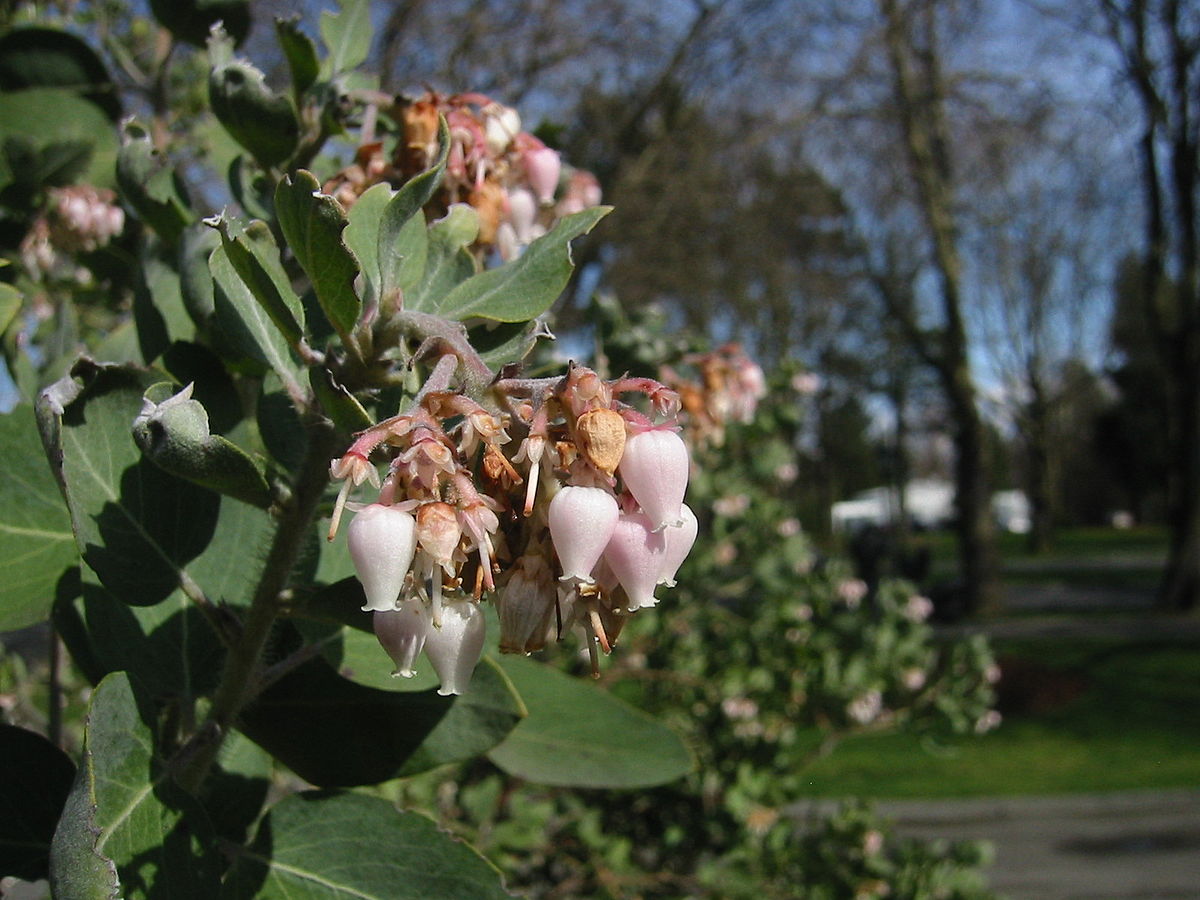
Whiteleaf manzanita
(Arctostaphylos viscida)
Also Known As
Whiteleaf manzanita, Sierra manzanita, Viscid manzanita
About This Plant
Arctostaphylos viscida is a species of manzanita known by the common name whiteleaf manzanita. It is a shrub endemic to California, where it grows in the chaparral and woodland habitats of the coastal and inland hills and mountains.
Plant Care Instructions
Outdoor Size Range
3-10 feet (0.9-3 meters)
Light Requirements
Arctostaphylos viscida prefers full sun to partial shade.
Humidity Needs
Arctostaphylos viscida prefers low to moderate humidity.
Fertilizing Schedule
This plant does not require fertilizer, but can benefit from a light application of a balanced fertilizer in the spring.
Pruning Guidelines
Arctostaphylos viscida can be pruned in the late winter or early spring to remove dead or damaged branches and to shape the plant.
Common Pests and Diseases
Common pests and diseases for this plant species include spider mites, aphids, and root rot.
Indoor Size Range
N/A
Watering Schedule
This plant prefers moderate watering and can tolerate dry conditions once established.
Temperature Range
This plant can tolerate a wide range of temperatures, from below freezing to over 100°F (38°C).
Growing Season
The growing season for Arctostaphylos viscida is in the spring and summer.
Growing Difficulty Level
Arctostaphylos viscida is moderately difficult to grow, as it requires specific growing conditions and can be susceptible to pests and diseases.
USDA Hardiness Zones
Arctostaphylos viscida is hardy in USDA zones 7-10.
Did You Know?
The berries of Arctostaphylos viscida were traditionally used by Native American tribes for food and medicinal purposes.
