Special Web Offer - Get 50% OFF!
Grab Your Deal Now
PlantSnap
Plant Care
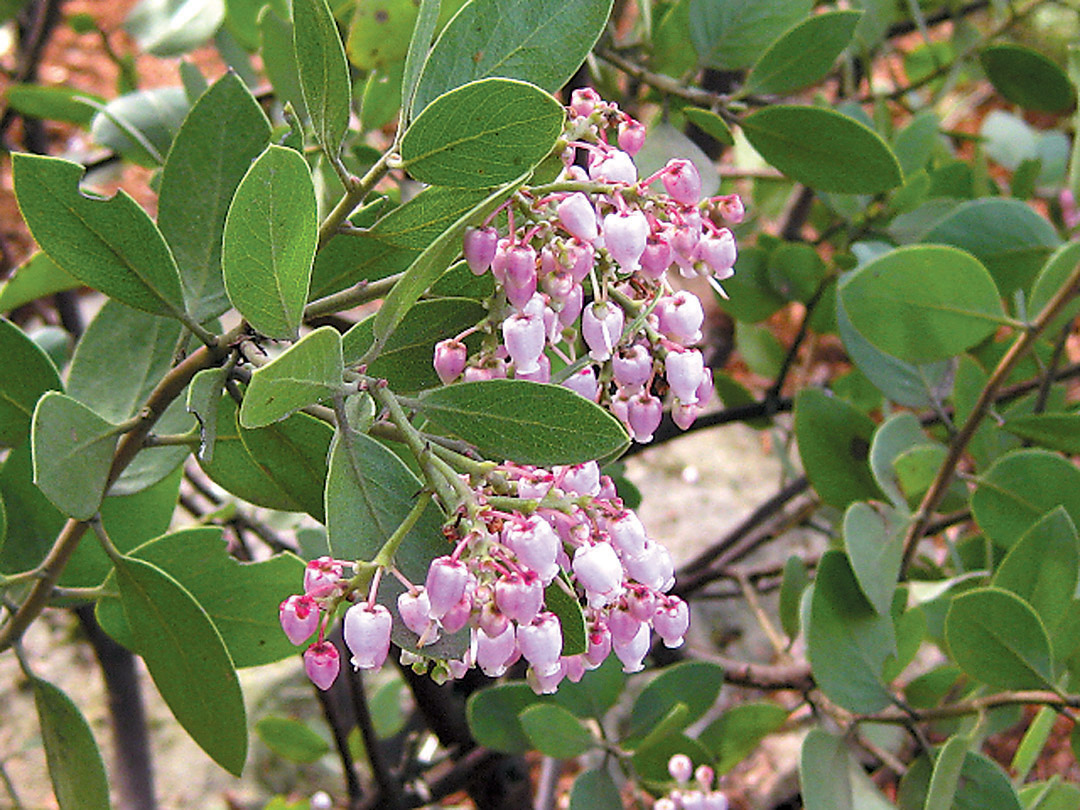
Hearst's manzanita
(Arctostaphylos hookeri hearstiorum)
Also Known As
Hearst's manzanita, Hearst manzanita, Hearst's arctostaphylos
About This Plant
Arctostaphylos hookeri hearstiorum is a rare and endangered plant species native to California, United States. It is a small evergreen shrub with leathery leaves that are glossy green and have a waxy texture. The plant produces small, bell-shaped flowers that are pink or white in color and bloom in the winter and spring. It is an important food source for birds and mammals.
Plant Care Instructions
Outdoor Size Range
2-6 feet (61-183 cm) tall and 2-8 feet (61-244 cm) wide
Light Requirements
Hearst's manzanita prefers full sun to partial shade. It can tolerate some shade but may become leggy and less dense.
Humidity Needs
Hearst's manzanita prefers low humidity levels and can tolerate dry air.
Fertilizing Schedule
Hearst's manzanita does not require fertilizer. Applying fertilizer can actually harm the plant and cause it to grow too quickly, which can make it more susceptible to pests and diseases.
Pruning Guidelines
Pruning should be done sparingly and only to remove dead or damaged branches. The plant has a natural, attractive shape and does not require much pruning.
Common Pests and Diseases
Hearst's manzanita is susceptible to root rot and can be affected by fungal diseases. It is also vulnerable to infestations by spider mites and aphids.
Indoor Size Range
Not suitable for indoor cultivation
Watering Schedule
This plant species is drought-tolerant and can survive with little water once established. Watering should be done sparingly, especially during the summer months.
Temperature Range
This plant species can tolerate a wide range of temperatures, from 20°F (-6°C) to 100°F (38°C).
Growing Season
Hearst's manzanita grows throughout the year, but blooms in the winter and spring.
Growing Difficulty Level
Hearst's manzanita is a challenging plant to grow and is best suited for experienced gardeners. It requires specific soil conditions and can be difficult to establish.
USDA Hardiness Zones
Hearst's manzanita is hardy in USDA zones 8-10.
Did You Know?
The Hearst's manzanita is named after William Randolph Hearst, who owned the land where the plant was first discovered.
