Special Web Offer - Get 50% OFF!
Grab Your Deal Now
PlantSnap
Plant Care
Vine hill manzanita
(Arctostaphylos densiflora)
Also Known As
Vine hill manzanita, Manzanita, Creeping manzanita, Broadleaf manzanita
About This Plant
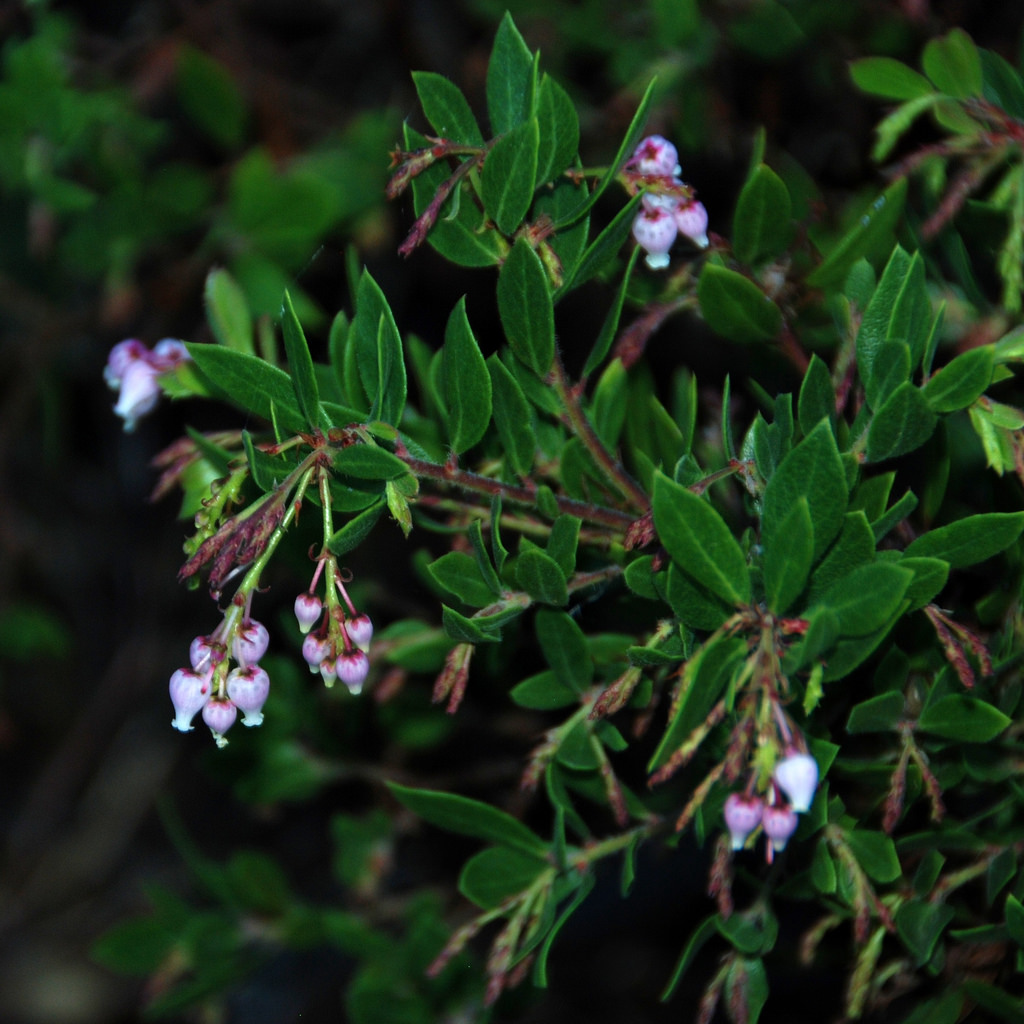
Arctostaphylos densiflora is an evergreen shrub with dense clusters of small, pinkish-white, urn-shaped flowers that bloom in the winter and spring. The plant has a gnarled, twisting trunk and branches covered in smooth, reddish-brown bark. It is known for its attractive, dark green leaves that are shiny on top and pale on the underside. The plant is native to California and is a popular choice for landscaping due to its drought tolerance and attractive appearance.
Plant Care Instructions
Outdoor Size Range
3-6 feet (0.9-1.8 meters) tall and 4-8 feet (1.2-2.4 meters) wide
Light Requirements
Arctostaphylos densiflora prefers full sun to partial shade. It can tolerate some shade but may not flower as well.
Humidity Needs
Arctostaphylos densiflora prefers dry air and low humidity.
Fertilizing Schedule
The plant does not require fertilizer but can benefit from a light application of a balanced fertilizer in the spring.
Pruning Guidelines
Arctostaphylos densiflora requires little pruning. Remove any dead or damaged branches in the spring.
Common Pests and Diseases
The plant is generally pest-free but can be susceptible to root rot if grown in poorly-draining soil.
Indoor Size Range
N/A
Watering Schedule
The plant is drought-tolerant and requires little watering once established. Water deeply once a week during the first year of growth to help the plant establish a deep root system. After the first year, water only during extended periods of drought.
Temperature Range
The plant is hardy in USDA zones 7-10 and can tolerate temperatures down to 10°F (-12°C).
Growing Season
The plant blooms in the winter and spring.
Growing Difficulty Level
Arctostaphylos densiflora is relatively easy to grow and is a good choice for beginners.
USDA Hardiness Zones
7-10
Did You Know?
The name 'Manzanita' means 'little apple' in Spanish, referring to the plant's small, apple-like fruits that are a food source for birds and other wildlife.