Special Web Offer - Get 50% OFF!
Grab Your Deal Now
PlantSnap
Plant Care
Pacific madrone
(Arbutus menziesii)
Also Known As
Pacific madrone, Madrone, Arbutus, Madrona
About This Plant
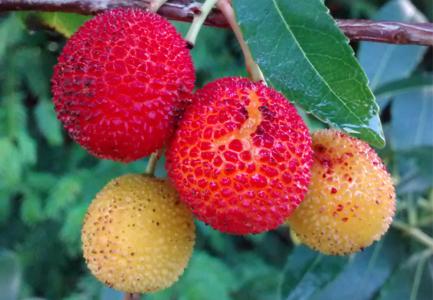
Arbutus menziesii is an evergreen tree that grows up to 30 meters tall. The bark is reddish-brown and peels off in thin flakes. The leaves are dark green and leathery, with a glossy surface and finely toothed edges. The flowers are white or pinkish and bell-shaped, with a diameter of about 1 cm. The fruit is a red or orange berry that is edible but somewhat gritty.
Plant Care Instructions
Outdoor Size Range
30-50 feet (9-15 meters) tall, 20-30 feet (6-9 meters) wide
Light Requirements
Arbutus menziesii prefers full sun to partial shade. It can tolerate some shade, but too much shade can cause the tree to become leggy and weak.
Humidity Needs
Arbutus menziesii prefers moderate humidity levels, but it can tolerate dry air.
Fertilizing Schedule
The tree does not require much fertilizer, but it can benefit from a balanced fertilizer applied in the spring.
Pruning Guidelines
Arbutus menziesii should be pruned in late winter or early spring to remove dead or damaged branches and to shape the tree. It is important not to prune too much, as the tree does not regenerate well from heavy pruning.
Common Pests and Diseases
Arbutus menziesii is generally not susceptible to pests or diseases, but it can be affected by root rot if overwatered.
Indoor Size Range
Not suitable for indoor cultivation
Watering Schedule
The tree has moderate water needs and should be watered regularly, especially during hot and dry weather. However, it is important not to overwater the tree, as this can lead to root rot.
Temperature Range
The tree is hardy in USDA zones 7 to 10 and can tolerate temperatures as low as 0 °F (-18 °C). It prefers mild temperatures and can suffer from heat stress in hot and dry weather.
Growing Season
Arbutus menziesii grows year-round, but it is most active in the spring and summer.
Growing Difficulty Level
Arbutus menziesii is moderately difficult to grow. It requires well-draining soil and regular watering, but it is otherwise fairly low-maintenance.
USDA Hardiness Zones
7 to 10
Did You Know?
Arbutus menziesii is the only species in the genus Arbutus that is native to North America. It is also the largest member of the heath family (Ericaceae) in North America.
