Special Web Offer - Get 50% OFF!
Grab Your Deal Now
PlantSnap
Plant Care
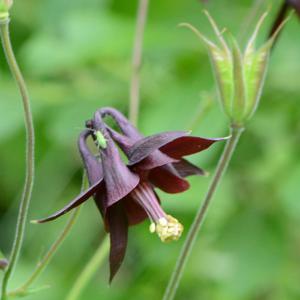
Black columbine
(Aquilegia nigricans)
Also Known As
Black columbine, Dark columbine, Black aquilegia
About This Plant
Aquilegia nigricans is a herbaceous perennial plant species that belongs to the Ranunculaceae family. It is commonly known as black columbine due to its unique, dark purple-black flowers. The plant has a clump-forming growth habit and can reach up to 18 inches (45 cm) in height.
Plant Care Instructions
Outdoor Size Range
12-18 inches (30-45 cm)
Light Requirements
Black columbine prefers partial shade to full sun, and can tolerate a wide range of light conditions. In hot climates, it benefits from afternoon shade.
Humidity Needs
Black columbine prefers moderate humidity levels, but can tolerate drier conditions.
Fertilizing Schedule
The plant does not require heavy fertilization, but benefits from a slow-release fertilizer applied in the spring.
Pruning Guidelines
Black columbine benefits from deadheading spent flowers to promote new growth and prevent self-seeding. It can also be cut back to the ground in the fall to promote healthy growth in the spring.
Common Pests and Diseases
Common pests for black columbine include aphids, spider mites, and leaf miners. The plant can also be susceptible to powdery mildew.
Indoor Size Range
8-10 inches (20-25 cm)
Watering Schedule
The plant requires regular watering, particularly in hot, dry conditions. It prefers moist, well-draining soil.
Temperature Range
The plant can tolerate a wide range of temperatures, from freezing to hot summer weather. It is hardy in USDA zones 3-8.
Growing Season
Black columbine blooms in late spring to early summer.
Growing Difficulty Level
Black columbine is relatively easy to grow, and is fairly low-maintenance.
USDA Hardiness Zones
USDA hardiness zones 3-8
Did You Know?
The unique coloration of black columbine's flowers is thought to be an adaptation to attract specific pollinators, such as hawkmoths, which are attracted to dark-colored flowers.
