Special Web Offer - Get 50% OFF!
Grab Your Deal Now
PlantSnap
Plant Care
Apple
(Malus Mill)
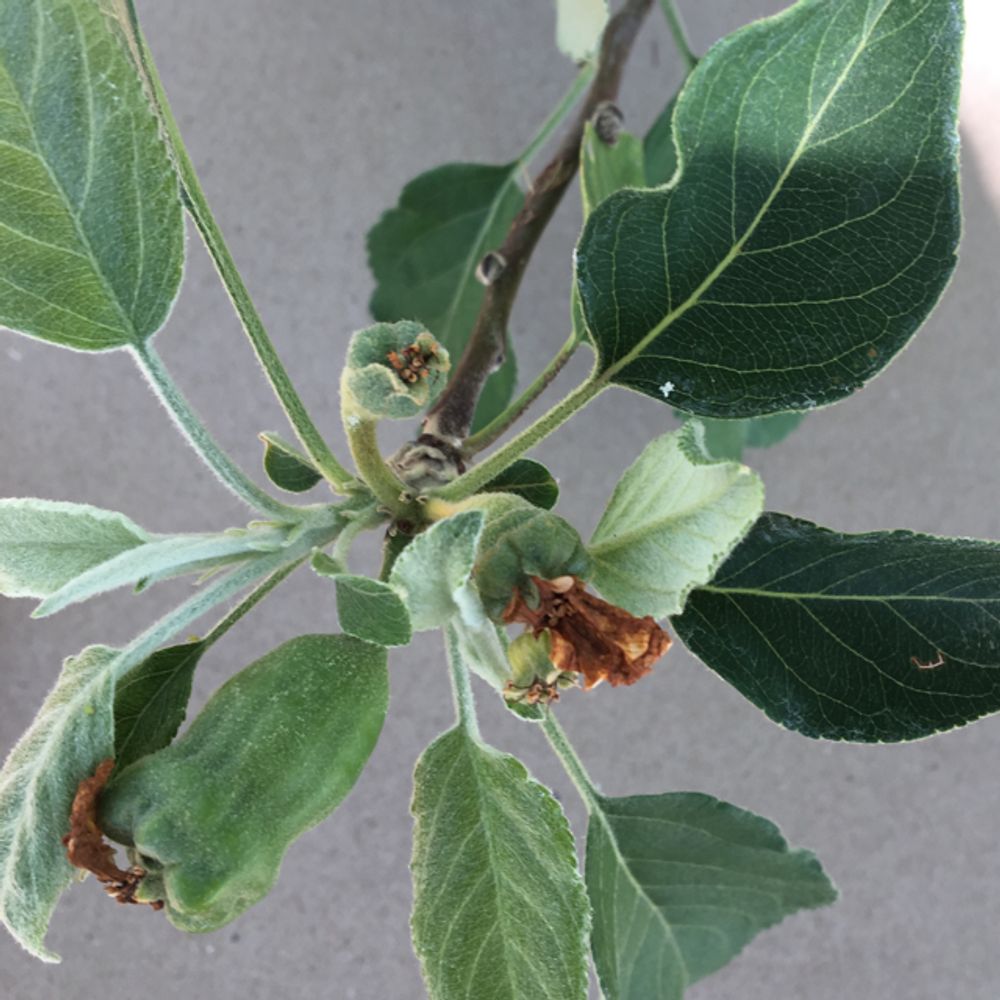
Also Known As
Apple, Crabapple, Malus
About This Plant
Malus Mill is a genus of about 30-55 species of small deciduous apple trees or shrubs in the Rosaceae family. They are known for their showy flowers and edible fruit, and are widely cultivated for commercial and ornamental purposes.
Plant Care Instructions
Outdoor Size Range
15-30 feet (4.6-9.1 m)
Light Requirements
Apple trees require full sun to grow and produce fruit. They need at least 6-8 hours of direct sunlight per day.
Humidity Needs
Apple trees prefer moderate humidity levels. They can tolerate dry air, but high humidity can increase the risk of fungal diseases.
Fertilizing Schedule
Apple trees benefit from regular fertilization, especially during the first few years of growth. They need a balanced fertilizer with equal amounts of nitrogen, phosphorus, and potassium.
Pruning Guidelines
Pruning is important for apple trees to maintain their shape, promote fruit production, and prevent disease. They should be pruned in late winter or early spring before new growth begins.
Common Pests and Diseases
Common pests and diseases for apple trees include apple maggots, codling moths, aphids, powdery mildew, and fire blight.
Indoor Size Range
4-6 feet (122-183 cm)
Watering Schedule
Apple trees need regular watering, especially during the first few years of growth. They need about 1-2 inches (2.5-5 cm) of water per week, either from rainfall or irrigation.
Temperature Range
Apple trees are hardy in USDA zones 3-8 and can tolerate temperatures as low as -40°F (-40°C). They require a certain amount of chilling hours (between 800-1,000 hours below 45°F (7°C)) to produce fruit.
Growing Season
The growing season for apple trees varies by cultivar and location, but generally runs from early spring through late fall.
Growing Difficulty Level
Apple trees can be moderately difficult to grow, as they require specific conditions to produce fruit. However, with proper care and maintenance, they can be a rewarding addition to any garden.
USDA Hardiness Zones
USDA hardiness zones 3-8
Did You Know?
The apple is one of the oldest and most widely cultivated fruits in the world, with over 7,500 known cultivars.
