Special Web Offer - Get 50% OFF!
Grab Your Deal Now
PlantSnap
Plant Care
Water hawthorn
(Aponogeton distachyos)
Also Known As
Water hawthorn, Nymph pondweed, Water plantain
About This Plant
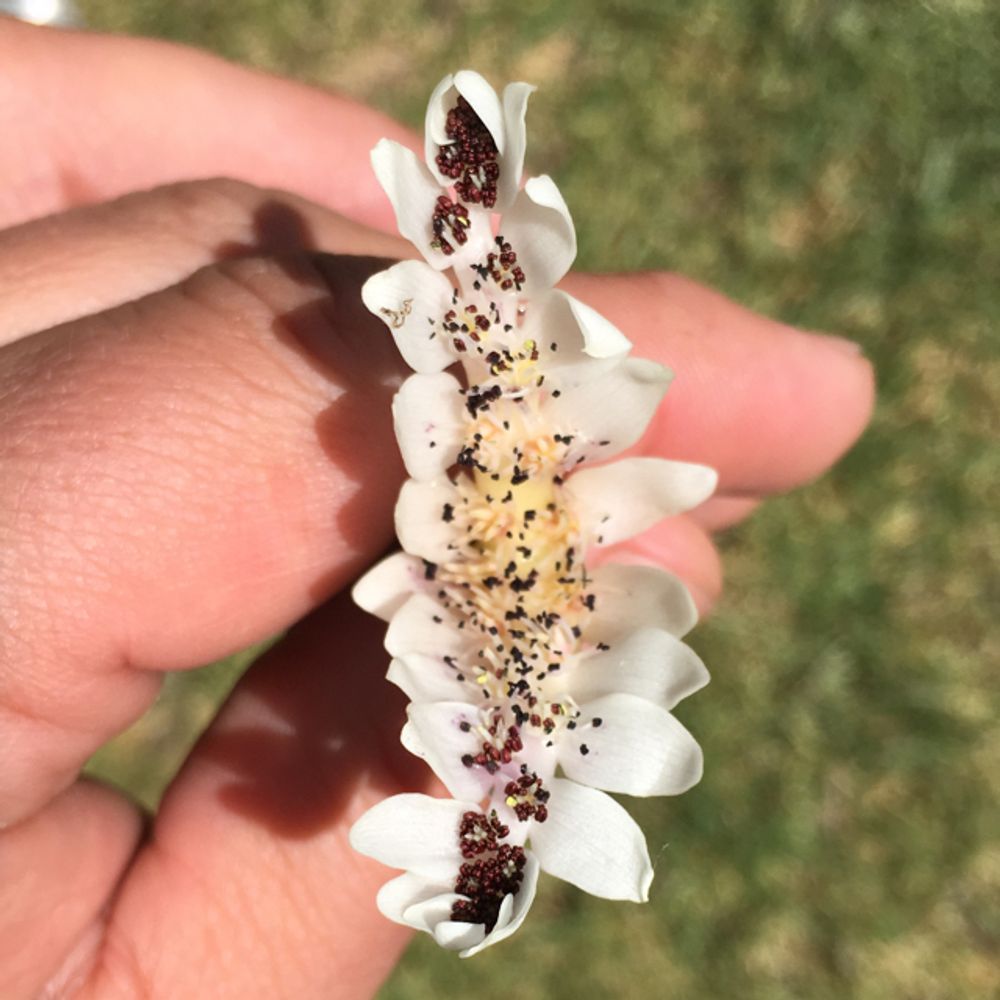
Aponogeton distachyos is an aquatic plant species that is native to South Africa. It is a perennial plant that grows from a tuber and produces long-stemmed, white flowers that resemble small daisies. The leaves are green and oval-shaped, and can grow up to 12 inches (30 cm) long.
Plant Care Instructions
Outdoor Size Range
Height: 12-24 inches (30-60 cm), Spread: 24-36 inches (60-90 cm)
Light Requirements
Aponogeton distachyos prefers full sun to partial shade (4-6 hours of direct sunlight per day).
Humidity Needs
Aponogeton distachyos prefers high humidity levels, and should be misted regularly if grown indoors.
Fertilizing Schedule
This plant benefits from regular fertilization during the growing season (spring to fall), using a balanced fertilizer every 4-6 weeks.
Pruning Guidelines
Pruning is not necessary for Aponogeton distachyos, but dead or yellowing leaves can be removed as needed.
Common Pests and Diseases
Common pests for this plant include aphids, spider mites, and whiteflies. Diseases are not common.
Indoor Size Range
Not suitable for indoor growth
Watering Schedule
This plant requires consistent watering, and should be planted in shallow water (up to 18 inches or 45 cm deep).
Temperature Range
This plant prefers warm temperatures between 70-80°F (21-27°C) during the day and cooler temperatures between 60-65°F (15-18°C) at night.
Growing Season
Aponogeton distachyos grows best during the spring and summer months, but can be grown year-round in warmer climates.
Growing Difficulty Level
Aponogeton distachyos can be moderately difficult to grow, as it requires specific growing conditions and consistent care.
USDA Hardiness Zones
Aponogeton distachyos is hardy in USDA zones 8-10.
Did You Know?
The name 'waterblommetjie' comes from Afrikaans, and means 'little water flower'. This plant is a popular ingredient in traditional South African cuisine, and is used to make a stew called 'waterblommetjiebredie'.
