Special Web Offer - Get 50% OFF!
Grab Your Deal Now
PlantSnap
Plant Care
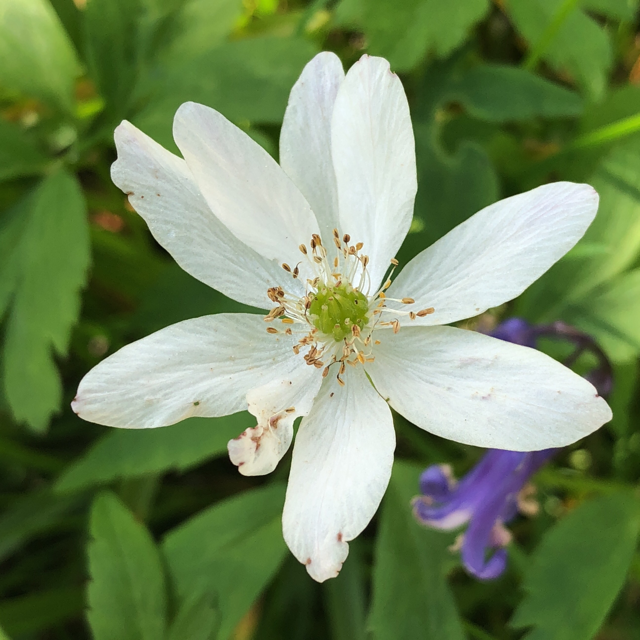
Wood anemone
(Anemone nemorosa)
Also Known As
Wood anemone, European anemone, Windflower, Thimbleweed
About This Plant
Anemone nemorosa is a perennial herbaceous plant species that belongs to the Ranunculaceae family. It is commonly known as wood anemone, windflower or thimbleweed. The plant has delicate, white, star-shaped flowers with a yellow center and lobed leaves. It is native to Europe and Asia.
Plant Care Instructions
Outdoor Size Range
4-6 inches (10-15 cm)
Light Requirements
Anemone nemorosa prefers partial shade to full shade. It needs a minimum of 2-3 hours of direct sunlight per day.
Humidity Needs
The plant prefers humidity levels between 40% and 60%. It can tolerate lower humidity levels, but it may require more frequent watering.
Fertilizing Schedule
The plant does not require much fertilizer. It can be fertilized once a month during the growing season with a balanced fertilizer.
Pruning Guidelines
The plant does not require much pruning. Deadheading spent flowers can encourage more blooms. The plant can be cut back to the ground after flowering.
Common Pests and Diseases
Common pests for Anemone nemorosa include aphids, slugs, and snails. Diseases such as powdery mildew and leaf spot can also affect the plant.
Indoor Size Range
6-8 inches (15-20 cm)
Watering Schedule
The plant requires moderate watering. It should be watered once or twice a week, depending on the soil moisture level.
Temperature Range
Anemone nemorosa prefers cool temperatures between 50-68°F (10-20°C). It can tolerate higher temperatures, but it may require more frequent watering.
Growing Season
Anemone nemorosa blooms in early spring and has a short growing season. It goes dormant in the summer.
Growing Difficulty Level
Anemone nemorosa is easy to grow and low maintenance.
USDA Hardiness Zones
Anemone nemorosa is hardy in USDA zones 3-8.
Did You Know?
The genus name Anemone comes from the Greek word 'anemos', which means wind. The plant is named after the mythological Greek god of the wind, Anemos.
