Special Web Offer - Get 50% OFF!
Grab Your Deal Now
PlantSnap
Plant Care
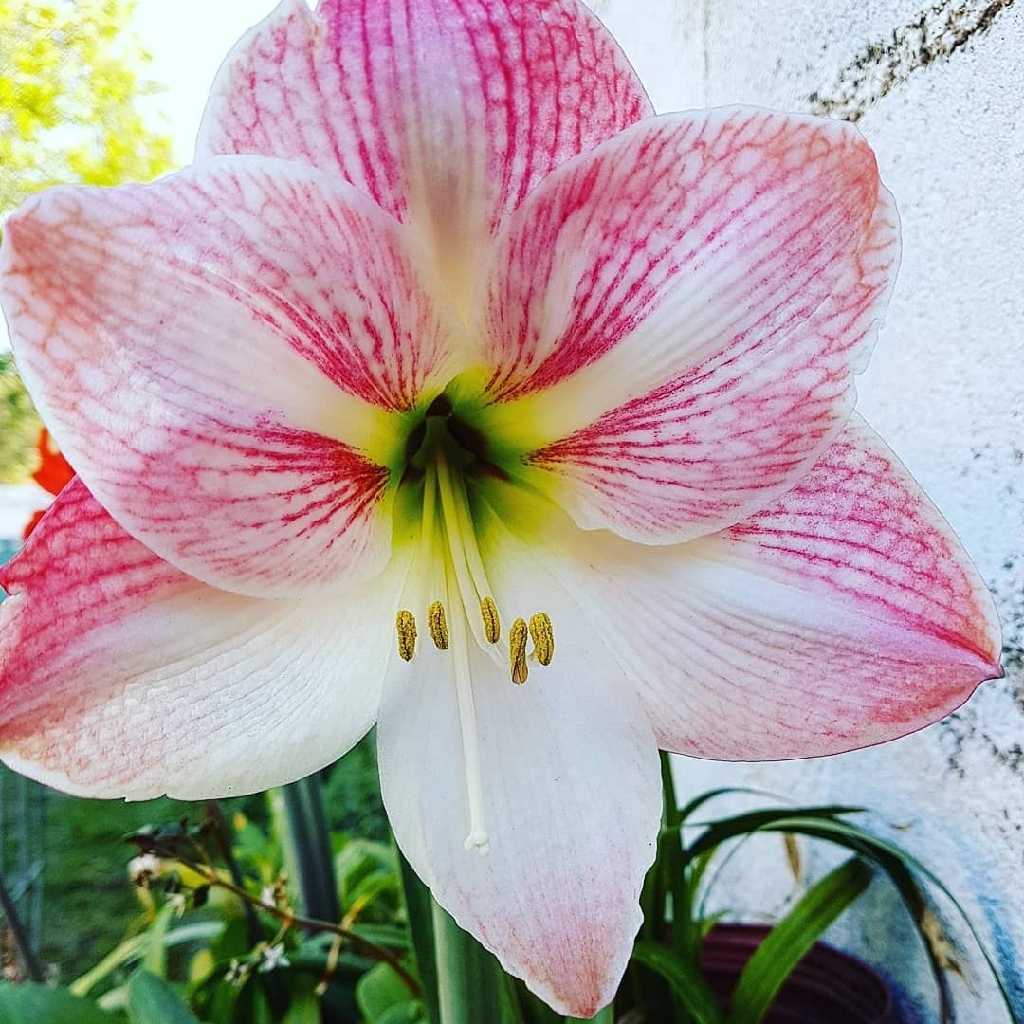
Common amaryllis
(Amaryllis vittatum)
Also Known As
Common amaryllis, Striped amaryllis, Hippeastrum vittatum
About This Plant
Amaryllis vittatum is a bulbous plant species that belongs to the Amaryllidaceae family. It is a perennial herb that grows up to 50 cm tall. The leaves are strap-shaped and the flowers are large, trumpet-shaped, and white with a green stripe down the center of each petal.
Plant Care Instructions
Outdoor Size Range
12-24 inches (30-60 cm)
Light Requirements
Amaryllis vittatum requires bright, indirect light. Direct sunlight can scorch the leaves and flowers.
Humidity Needs
Amaryllis vittatum prefers moderate humidity levels. It can tolerate dry air, but misting the leaves occasionally can help keep the plant healthy.
Fertilizing Schedule
Fertilize the plant every two weeks during the growing season with a balanced fertilizer. Do not fertilize during the dormant season.
Pruning Guidelines
Remove spent flowers and yellowing leaves as needed. Do not cut back the foliage until it has died back naturally.
Common Pests and Diseases
Common pests include spider mites, mealybugs, and scale insects. Treat with insecticidal soap or neem oil.
Indoor Size Range
12-24 inches (30-60 cm)
Watering Schedule
Water the plant thoroughly when the top inch of soil feels dry to the touch. Do not allow the soil to become waterlogged as this can cause root rot.
Temperature Range
Amaryllis vittatum prefers temperatures between 60-75°F (15-24°C). It can tolerate cooler temperatures, but avoid placing it near cold drafts or air conditioning vents.
Growing Season
Amaryllis vittatum typically blooms in the late winter or early spring, and goes dormant in the summer.
Growing Difficulty Level
Amaryllis vittatum is moderately difficult to grow. It requires specific care and attention to thrive.
USDA Hardiness Zones
Amaryllis vittatum is not cold hardy and is best grown indoors or in a greenhouse. It is suitable for USDA hardiness zones 9-11.
Did You Know?
In Greek mythology, the amaryllis flower is said to have sprung from the blood of a beautiful shepherdess named Amaryllis, who was trying to win the heart of a gardener named Alteo.
