Special Web Offer - Get 50% OFF!
Grab Your Deal Now
PlantSnap
Plant Care
Marshmallow
(Althaea officinalis)
Also Known As
Marshmallow, Common marshmallow, Althaea
About This Plant
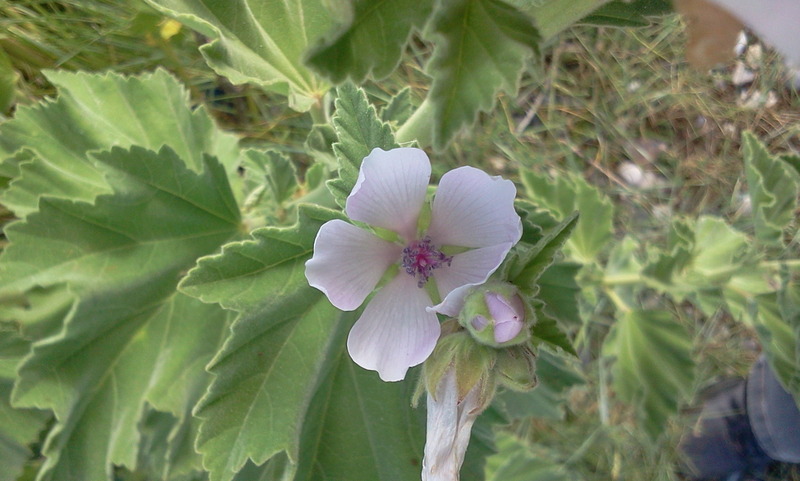
Althaea officinalis, commonly known as marshmallow, is a perennial herbaceous plant that belongs to the family Malvaceae. It has a tall, upright stem with velvety leaves and produces pink or white flowers in late summer. The roots of the plant have been used for medicinal purposes for centuries.
Plant Care Instructions
Outdoor Size Range
36-48 inches (91-122 cm)
Light Requirements
Marshmallow plants require full sun to partial shade. They can tolerate some shade, but too much shade can cause the plant to become leggy and weak.
Humidity Needs
Marshmallow plants prefer moderate humidity levels, but can tolerate lower humidity levels.
Fertilizing Schedule
Marshmallow plants do not require a lot of fertilizer. A balanced fertilizer can be applied in the spring to encourage growth.
Pruning Guidelines
Marshmallow plants should be pruned in the spring to promote bushier growth and to remove any dead or damaged branches.
Common Pests and Diseases
Common pests that can affect marshmallow plants include aphids, spider mites, and whiteflies. Diseases that can affect the plant include root rot and powdery mildew.
Indoor Size Range
24-36 inches (61-91 cm)
Watering Schedule
Marshmallow plants prefer moist soil and should be watered regularly. However, they do not tolerate waterlogged soil, so be sure to provide good drainage.
Temperature Range
Marshmallow plants are hardy in USDA zones 3-9 and can tolerate a wide range of temperatures, from below freezing to hot summer temperatures.
Growing Season
The growing season for marshmallow plants is from late spring to early fall.
Growing Difficulty Level
Marshmallow plants are relatively easy to grow, as long as they are provided with the right growing conditions. They can be grown from seed or propagated from root cuttings.
USDA Hardiness Zones
3-9
Did You Know?
Marshmallow roots were traditionally used to make a sweet, sticky treat similar to modern-day marshmallows. However, the marshmallow candy we know today is made with gelatin instead of marshmallow root.
