Special Web Offer - Get 50% OFF!
Grab Your Deal Now
PlantSnap
Plant Care
Joyweed
(Alternanthera paronychioides)
Also Known As
Joyweed, Red-rooted alternanthera, Ruby leaf, Mosaic plant
About This Plant
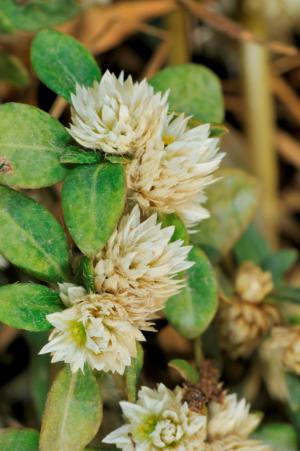
Alternanthera paronychioides is a species of flowering plant in the family Amaranthaceae. It is a small, herbaceous plant with a prostrate growth habit. The leaves are small and oval-shaped, with a bright green coloration. The flowers are small and white, and are borne in clusters at the tips of the stems.
Plant Care Instructions
Outdoor Size Range
6-12 inches (15-30 cm)
Light Requirements
Alternanthera paronychioides requires full sun to partial shade for optimal growth. It can tolerate some shade, but too much shade can cause the plant to become leggy and weak.
Humidity Needs
Alternanthera paronychioides prefers moderate to high humidity levels. If the air is too dry, mist the plant regularly or place a humidifier nearby.
Fertilizing Schedule
Fertilize Alternanthera paronychioides once a month during the growing season with a balanced, water-soluble fertilizer.
Pruning Guidelines
Prune the plant regularly to maintain its compact shape and encourage bushy growth. Pinch back the stems to promote branching and remove any yellow or dead leaves.
Common Pests and Diseases
Common pests for Alternanthera paronychioides include spider mites, aphids, and whiteflies. Diseases such as root rot and powdery mildew can also be a problem.
Indoor Size Range
6-12 inches (15-30 cm)
Watering Schedule
Water the plant deeply once a week, allowing the soil to dry out slightly between waterings. Avoid overwatering, as this can lead to root rot.
Temperature Range
This plant prefers warm temperatures between 60-80°F (15-27°C). It can tolerate cooler temperatures, but it may not grow as vigorously.
Growing Season
The growing season for Alternanthera paronychioides is spring and summer.
Growing Difficulty Level
Alternanthera paronychioides is a relatively easy plant to grow, making it a good choice for beginners.
USDA Hardiness Zones
This plant is not frost-tolerant and is best grown in USDA hardiness zones 9-11.
Did You Know?
In traditional medicine, Alternanthera paronychioides has been used to treat a variety of ailments, including diarrhea, dysentery, and skin infections.