Special Web Offer - Get 50% OFF!
Grab Your Deal Now
PlantSnap
Plant Care
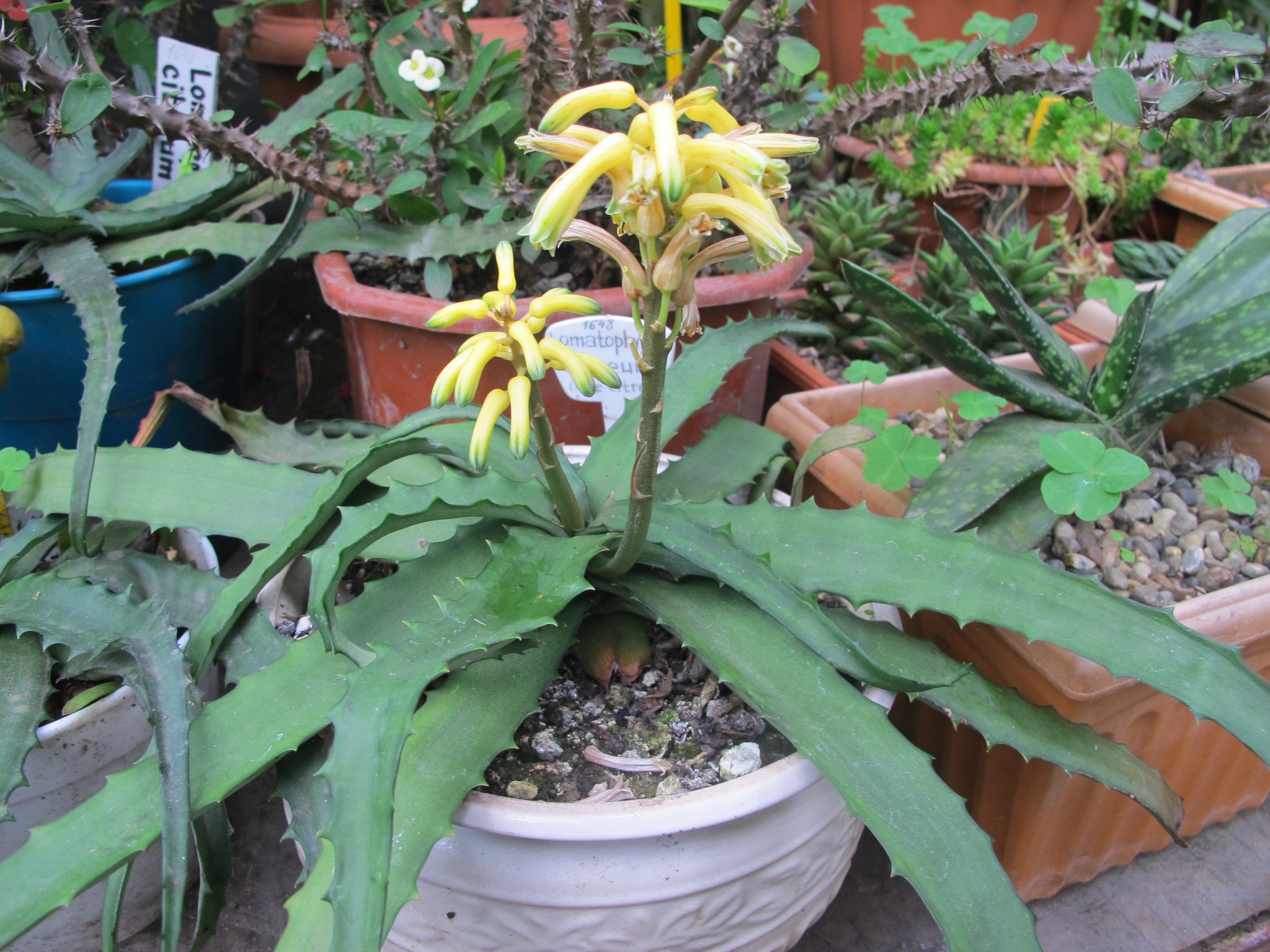
Citric aloe
(Aloe citrea)
Also Known As
Citric aloe, Citron aloe, Aloe of the citron
About This Plant
Aloe citrea is a succulent plant species that belongs to the genus Aloe. It has a rosette of grayish-green leaves that can grow up to 20 inches (50 cm) long and 4 inches (10 cm) wide. The leaves are covered in white spots and have serrated edges. The plant produces a tall flower spike with orange-red flowers that bloom in the winter.
Plant Care Instructions
Outdoor Size Range
Up to 3 feet (90 cm)
Light Requirements
Aloe citrea prefers bright, indirect light but can tolerate some direct sunlight. It is best to place it near a south or west-facing window if grown indoors.
Humidity Needs
Aloe citrea prefers dry air and does not require high humidity levels.
Fertilizing Schedule
Fertilize the plant once a month during the growing season (spring and summer) with a balanced liquid fertilizer diluted to half strength.
Pruning Guidelines
Prune the plant to remove any dead or damaged leaves. The flower spike can also be removed once the flowers have faded.
Common Pests and Diseases
Aloe citrea is relatively pest-free, but it can be susceptible to mealybugs and spider mites. If infested, treat the plant with insecticidal soap or neem oil.
Indoor Size Range
10-20 inches (25-50 cm)
Watering Schedule
Water the plant deeply but infrequently, allowing the soil to dry out completely between waterings. During the winter months, reduce watering to once a month.
Temperature Range
The plant can tolerate a wide range of temperatures, from 50-85°F (10-29°C). However, it is best to keep it in a warm location with temperatures above 60°F (15°C).
Growing Season
The plant grows actively during the spring and summer months.
Growing Difficulty Level
Aloe citrea is considered an easy plant to grow, making it a great choice for beginners.
USDA Hardiness Zones
Aloe citrea is not cold hardy and is best grown in USDA hardiness zones 9b-11.
Did You Know?
In its native habitat in South Africa, Aloe citrea is often used to make a bitter tonic that is believed to have medicinal properties.
