Special Web Offer - Get 50% OFF!
Grab Your Deal Now
PlantSnap
Plant Care
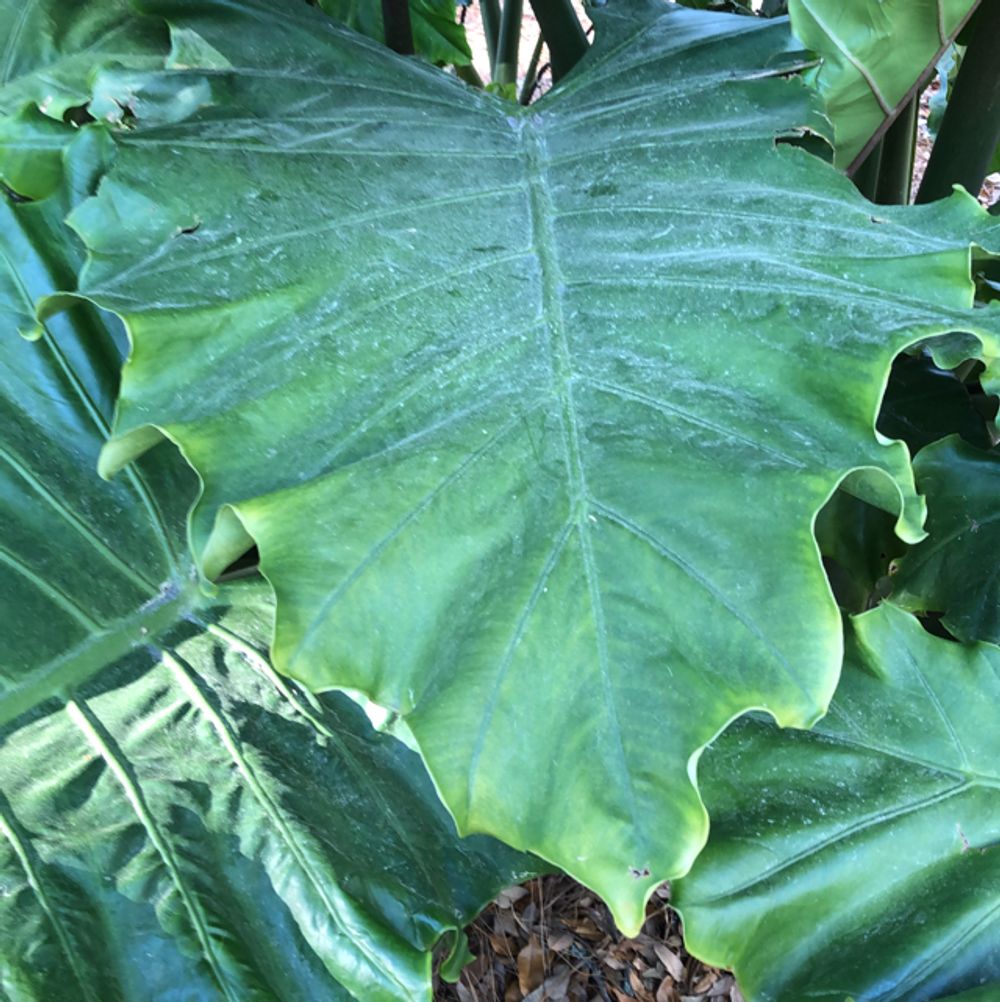
Elephant ear
(Giant Elephants Ear)
Also Known As
Elephant ear, Giant taro, Alocasia, African mask plant
About This Plant
Giant Elephant Ear is a large herbaceous plant that is known for its enormous leaves that resemble elephant ears. It is a tropical plant that thrives in warm and humid climates. The plant can grow up to 8 feet tall and its leaves can reach up to 3 feet in length and 2 feet in width. The leaves are green and glossy and have a distinct heart shape. The plant produces small flowers that are hidden within the foliage.
Plant Care Instructions
Outdoor Size Range
72-96 inches (183-244 cm)
Light Requirements
Giant Elephant Ear plants require bright, indirect light. Direct sunlight can scorch the leaves.
Humidity Needs
Giant Elephant Ear plants thrive in high humidity environments. They should be misted regularly or placed in a humid location.
Fertilizing Schedule
The plant requires regular fertilization during the growing season. A balanced fertilizer should be used every 2-3 weeks.
Pruning Guidelines
Pruning is not necessary for Giant Elephant Ear plants. However, dead or damaged leaves should be removed to promote new growth.
Common Pests and Diseases
Common pests for Giant Elephant Ear plants include spider mites, mealybugs, and scale insects. They are also prone to fungal diseases.
Indoor Size Range
36-48 inches (91-122 cm)
Watering Schedule
The plant requires consistent watering, especially during the growing season. The soil should be kept moist but not waterlogged.
Temperature Range
The plant prefers warm temperatures between 60-85°F (15-29°C). Temperatures below 50°F (10°C) can damage the plant.
Growing Season
Giant Elephant Ear plants grow best during the spring and summer months.
Growing Difficulty Level
Giant Elephant Ear plants are moderately difficult to grow. They require consistent care and attention to thrive.
USDA Hardiness Zones
Giant Elephant Ear plants are hardy in USDA zones 8-11.
Did You Know?
The Giant Elephant Ear plant is also known as the 'Elephant Ear Taro' and is often used in traditional Hawaiian cuisine.
