Special Web Offer - Get 50% OFF!
Grab Your Deal Now
PlantSnap
Plant Care
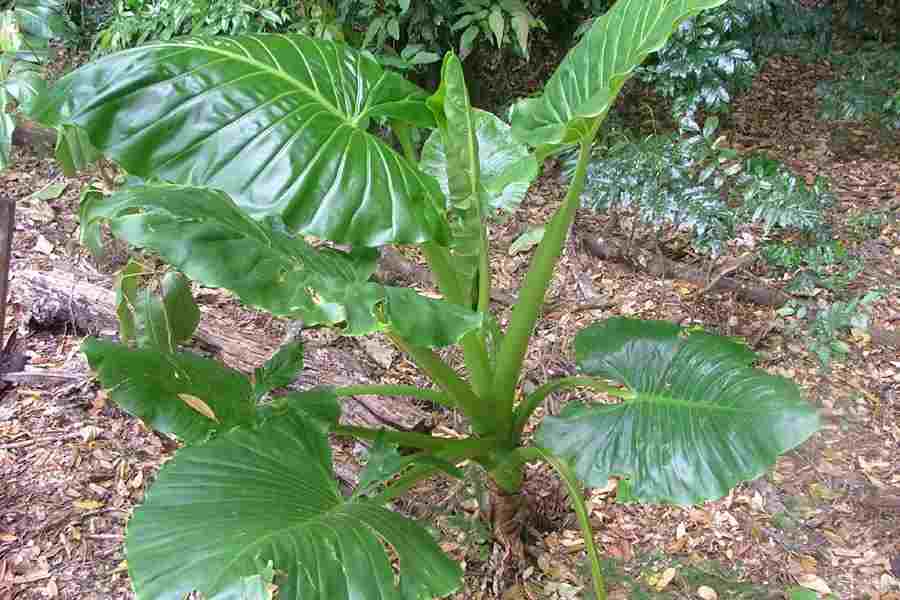
Brisbane lily
(Alocasia brisbanensis)
Also Known As
Brisbane lily, Brisbane elephant ear, Brisbane sword, Alocasia
About This Plant
Alocasia brisbanensis, commonly known as the Cunjevoi Lily, is a tropical plant species native to Australia. It is a herbaceous perennial plant that grows up to 2 meters tall and has large, glossy, heart-shaped leaves that can reach up to 60cm in length.
Plant Care Instructions
Outdoor Size Range
5-8 feet (1.5-2.4 meters)
Light Requirements
Alocasia brisbanensis prefers bright, indirect light. Direct sunlight can scorch the leaves.
Humidity Needs
This plant requires high humidity to thrive. Mist the leaves regularly or place the plant near a humidifier.
Fertilizing Schedule
Fertilize the plant every 2-3 weeks during the growing season with a balanced, water-soluble fertilizer.
Pruning Guidelines
Remove any yellow or damaged leaves to maintain the plant's appearance. Prune the plant back in the spring to encourage new growth.
Common Pests and Diseases
Common pests for Alocasia brisbanensis include spider mites, mealybugs, and scale insects. Diseases such as bacterial blight and root rot can also occur.
Indoor Size Range
24-36 inches (60-90 cm)
Watering Schedule
Water the plant thoroughly once the top inch of soil feels dry. Alocasia brisbanensis prefers moist soil, but overwatering can lead to root rot.
Temperature Range
Alocasia brisbanensis prefers temperatures between 65-85°F (18-29°C). Avoid placing the plant in areas with temperature fluctuations.
Growing Season
Alocasia brisbanensis can be grown year-round in tropical climates. In cooler climates, it should be grown indoors or in a greenhouse.
Growing Difficulty Level
Alocasia brisbanensis can be moderately difficult to grow. It requires high humidity and consistent watering, and is susceptible to pests and diseases.
USDA Hardiness Zones
Alocasia brisbanensis is not frost-tolerant and can be grown outdoors in USDA hardiness zones 10-12.
Did You Know?
The name 'Cunjevoi' comes from an Aboriginal word meaning 'edible root'. However, the plant's roots are actually toxic and should not be consumed.
