Special Web Offer - Get 50% OFF!
Grab Your Deal Now
PlantSnap
Plant Care
Ramp
(Allium tricoccum)
Also Known As
Ramp, Wild leek, Wood leek, Ramson
About This Plant
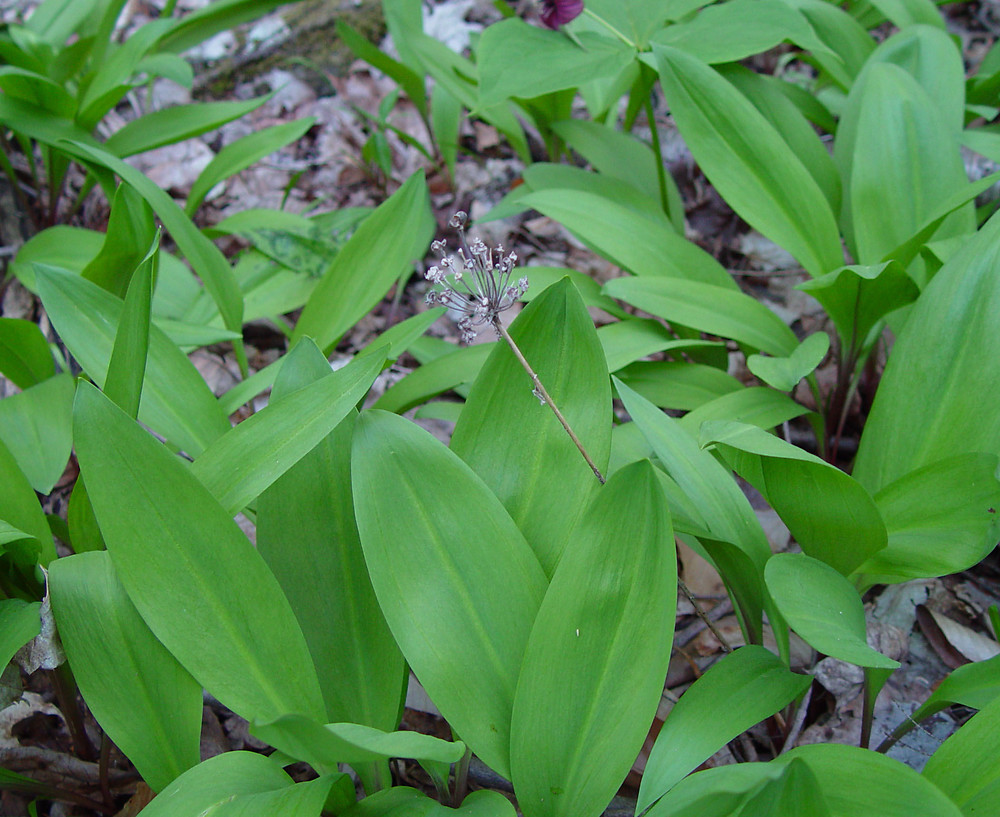
Allium tricoccum, commonly known as ramp, is a wild onion species that is native to North America. It is a perennial plant that grows from a small bulb and produces broad, smooth, and light green leaves. The plant produces a single flowering stalk in the spring, which bears white flowers in a globe-shaped cluster.
Plant Care Instructions
Outdoor Size Range
Height: 4-12 inches (10-30 cm), Spread: 4-6 inches (10-15 cm)
Light Requirements
Ramps prefer partial shade to full shade, making them ideal for growing under trees or in woodland gardens.
Humidity Needs
Ramps prefer a moderate to high level of humidity, but they can tolerate average indoor humidity levels.
Fertilizing Schedule
Ramps do not require regular fertilization, but a light application of balanced fertilizer in the spring can help promote growth.
Pruning Guidelines
Ramps do not require pruning, but dead or damaged leaves can be removed to improve the plant's appearance.
Common Pests and Diseases
Ramps are relatively pest-free, but they can be susceptible to onion maggots and thrips.
Indoor Size Range
Not suitable for indoor cultivation
Watering Schedule
Ramps require regular watering, especially during the growing season. The soil should be kept moist but not waterlogged.
Temperature Range
Ramps prefer cool temperatures between 50-70°F (10-21°C). They can tolerate colder temperatures, but they are not frost-tolerant.
Growing Season
Ramps grow in the spring and early summer, and they become dormant in the late summer.
Growing Difficulty Level
Ramps are relatively easy to grow, but they require specific conditions to thrive. They are best suited for experienced gardeners.
USDA Hardiness Zones
Ramps are hardy in USDA zones 3-7.
Did You Know?
Ramps are a popular ingredient in Appalachian cuisine, and they have become a sought-after delicacy in high-end restaurants across North America.
