Special Web Offer - Get 50% OFF!
Grab Your Deal Now
PlantSnap
Plant Care
Persian shallot
(Allium stipitatum)
Also Known As
Persian shallot, Siberian onion, Globemaster onion, Giant onion
About This Plant
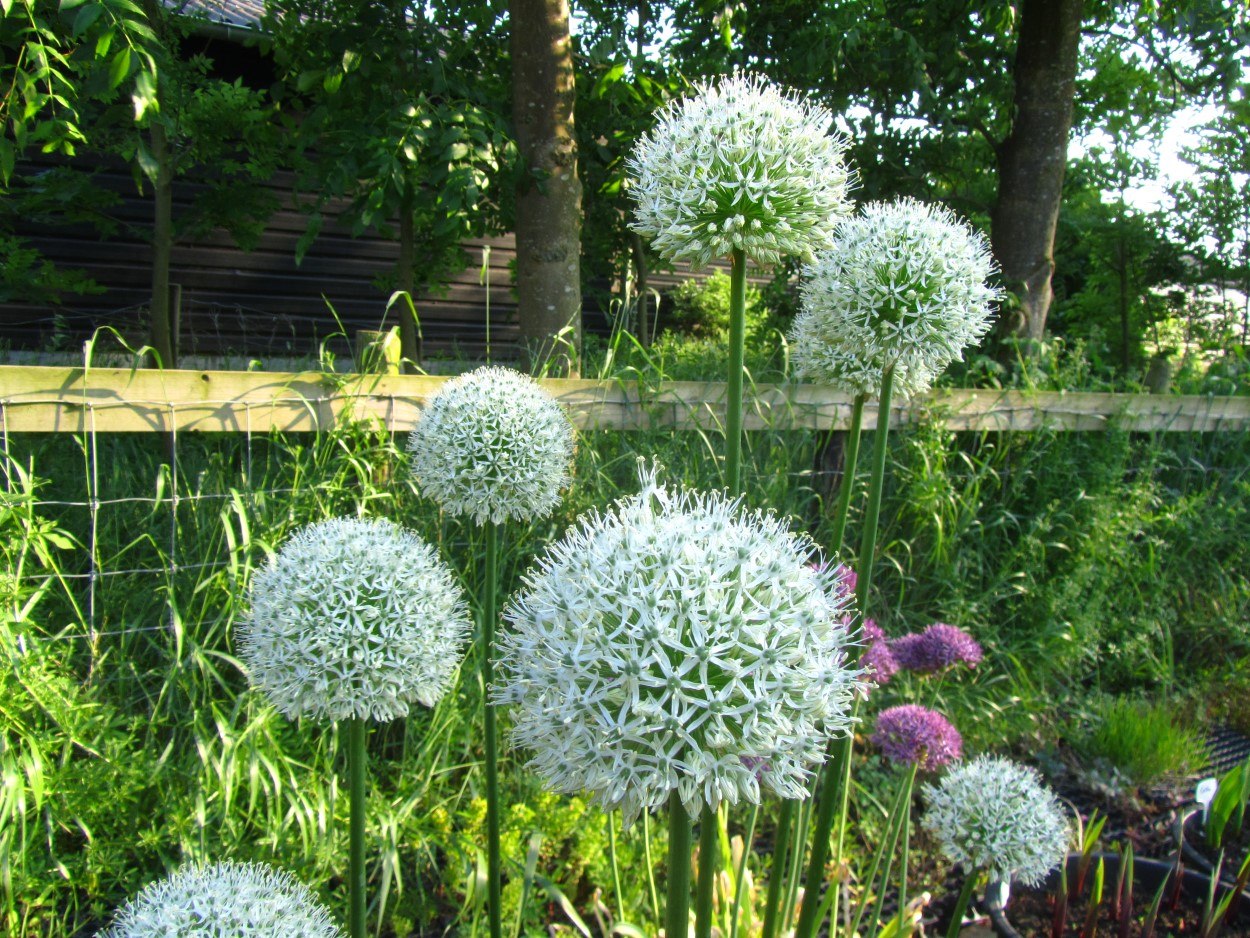
Allium stipitatum is a bulbous perennial plant species native to Central Asia. It has long, linear leaves and produces large, spherical flower heads with purple or pink flowers.
Plant Care Instructions
Outdoor Size Range
24-36 inches (60-90 cm) tall, 6-8 inches (15-20 cm) wide
Light Requirements
Allium stipitatum prefers full sun, but it can tolerate partial shade.
Humidity Needs
Allium stipitatum prefers dry conditions and does not require high humidity.
Fertilizing Schedule
Fertilize the plant once a month during the growing season with a balanced fertilizer.
Pruning Guidelines
Remove spent flowers to encourage more blooms. Cut back the foliage after it has turned yellow.
Common Pests and Diseases
Allium stipitatum is generally pest-free, but it may be susceptible to onion thrips and bulb mites.
Indoor Size Range
N/A
Watering Schedule
Water the plant regularly but do not overwater it. Allow the soil to dry out slightly between waterings.
Temperature Range
Allium stipitatum can tolerate a wide range of temperatures, from hot summers to cold winters. It is hardy to USDA zones 5-8.
Growing Season
Allium stipitatum blooms in late spring to early summer.
Growing Difficulty Level
Allium stipitatum is relatively easy to grow, but it requires well-draining soil and regular watering.
USDA Hardiness Zones
Hardy to USDA zones 5-8.
Did You Know?
The bulbs of Allium stipitatum are edible and are used as a spice in Persian cuisine.
