Special Web Offer - Get 50% OFF!
Grab Your Deal Now
PlantSnap
Plant Care
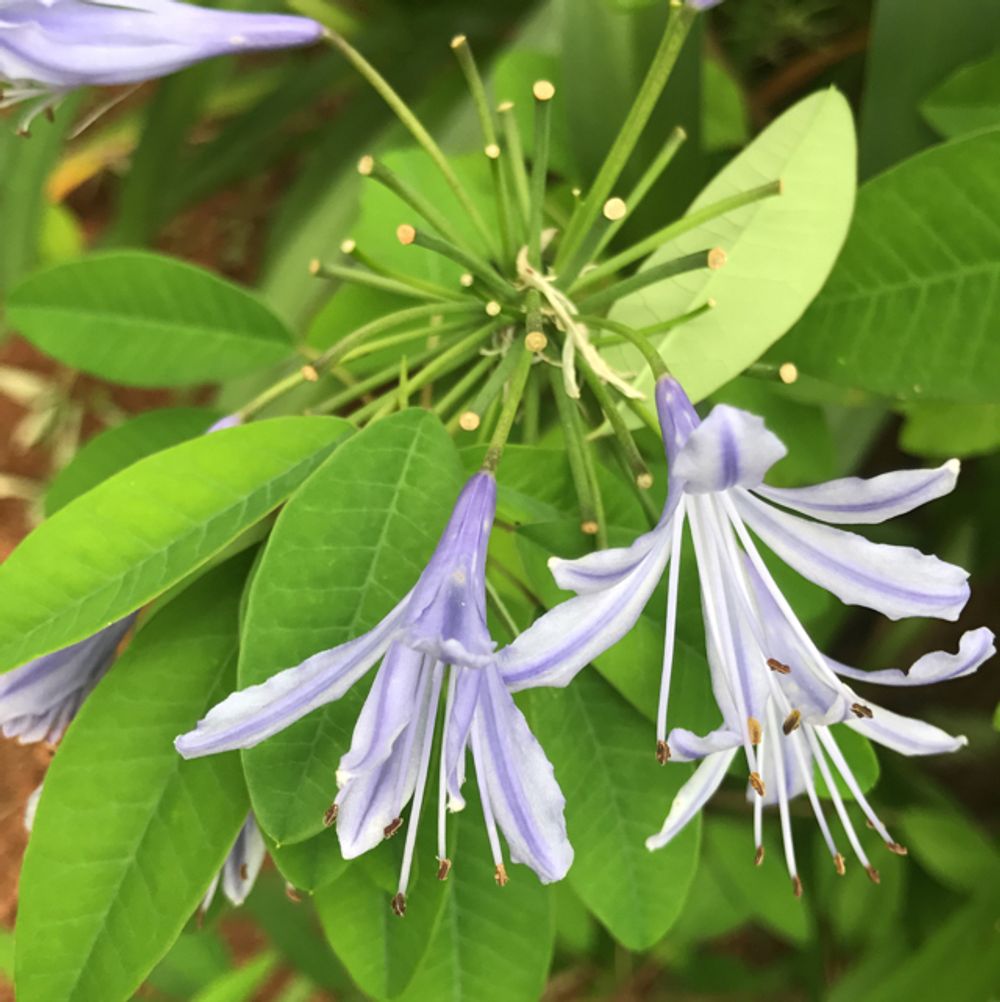
Lily of the nile
(Agapanthus praecox)
Also Known As
Lily of the nile, African lily, Blue lily
About This Plant
Agapanthus praecox is a flowering perennial plant species with long, narrow leaves and showy clusters of blue or white flowers. The plant is native to South Africa and is widely cultivated as an ornamental plant.
Plant Care Instructions
Outdoor Size Range
18-36 inches (45-90 cm)
Light Requirements
Agapanthus praecox requires full sun to partial shade. It needs at least 6 hours of direct sunlight per day.
Humidity Needs
Agapanthus praecox prefers moderate to high humidity levels, but can tolerate lower humidity levels.
Fertilizing Schedule
Agapanthus praecox benefits from regular fertilization during the growing season. A balanced fertilizer with equal amounts of nitrogen, phosphorus, and potassium can be applied every 4-6 weeks.
Pruning Guidelines
Agapanthus praecox should be pruned after flowering to remove dead flowers and leaves. The plant can also be divided every 3-4 years to maintain its size and shape.
Common Pests and Diseases
Common pests and diseases for Agapanthus praecox include aphids, spider mites, and fungal diseases such as leaf spot and root rot.
Indoor Size Range
12-24 inches (30-60 cm)
Watering Schedule
The soil should be kept consistently moist during the growing season, but not waterlogged. Watering should be reduced during the dormant season.
Temperature Range
The plant can tolerate a wide range of temperatures, but prefers temperatures between 60-85°F (15-29°C).
Growing Season
Agapanthus praecox typically blooms in the summer, from June to August.
Growing Difficulty Level
Agapanthus praecox is relatively easy to grow and maintain, making it a popular choice for gardeners of all skill levels.
USDA Hardiness Zones
Agapanthus praecox is hardy in USDA zones 8-11.
Did You Know?
Agapanthus praecox is also known as the 'African Lily' and is often used in traditional African medicine to treat a variety of ailments.
