Special Web Offer - Get 50% OFF!
Grab Your Deal Now
PlantSnap
Plant Care
African lily
(Agapanthus africanus Queen Anne)
Also Known As
African lily, Love flower, Naked ladies, Blue lily, Lily of the nile
About This Plant
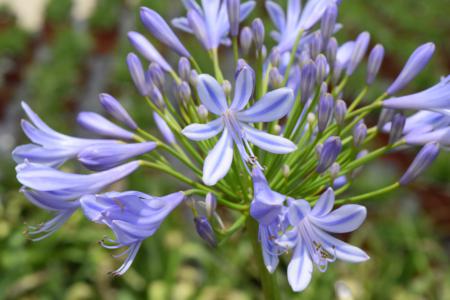
Agapanthus africanus 'Queen Anne' is a flowering plant species that is native to South Africa. It is a clump-forming perennial that grows up to 1-2 feet (30-60 cm) tall and wide. It produces large, round clusters of blue or white flowers on tall stalks in the summer. The leaves are strap-shaped and can grow up to 2 feet (60 cm) long.
Plant Care Instructions
Outdoor Size Range
1-2 feet (30-60 cm) tall and wide
Light Requirements
Agapanthus africanus 'Queen Anne' requires full sun to partial shade, with at least 6 hours of direct sunlight per day. It can tolerate some shade, but too much shade will result in reduced flowering.
Humidity Needs
This plant species prefers moderate to high humidity levels, but can tolerate average indoor humidity levels.
Fertilizing Schedule
Fertilize this plant species with a balanced, slow-release fertilizer in the spring and summer. Do not fertilize in the fall or winter.
Pruning Guidelines
Prune the spent flowers and stems after blooming to encourage new growth and prevent self-seeding. Cut back the foliage in the fall after it has died back naturally.
Common Pests and Diseases
Common pests for Agapanthus africanus 'Queen Anne' include aphids, spider mites, and mealybugs. Diseases include root rot and leaf spot. Proper watering and good air circulation can help prevent these issues.
Indoor Size Range
Not suitable for indoor growth
Watering Schedule
This plant species prefers moderate watering. Water the plant deeply but infrequently, allowing the soil to dry out slightly between waterings. Overwatering can cause root rot, so be careful not to let the plant sit in water.
Temperature Range
Agapanthus africanus 'Queen Anne' prefers warm temperatures between 60-75°F (15-24°C). It can tolerate temperatures as low as 50°F (10°C) but is not frost-tolerant.
Growing Season
Agapanthus africanus 'Queen Anne' blooms in the summer, from June to August.
Growing Difficulty Level
Agapanthus africanus 'Queen Anne' is considered moderately easy to grow. It requires well-draining soil and moderate watering, but is otherwise fairly low-maintenance.
USDA Hardiness Zones
Agapanthus africanus 'Queen Anne' is hardy in USDA zones 8-11.
Did You Know?
Agapanthus africanus 'Queen Anne' is commonly known as the 'Lily-of-the-Nile' because of its African origins, but it is not actually a lily. It is a member of the Amaryllidaceae family, which also includes daffodils and snowdrops.
