Special Web Offer - Get 50% OFF!
Grab Your Deal Now
PlantSnap
Plant Care
Bottlebrush buckeye
(Aesculus parviflora)
Also Known As
Bottlebrush buckeye, Ohio buckeye
About This Plant
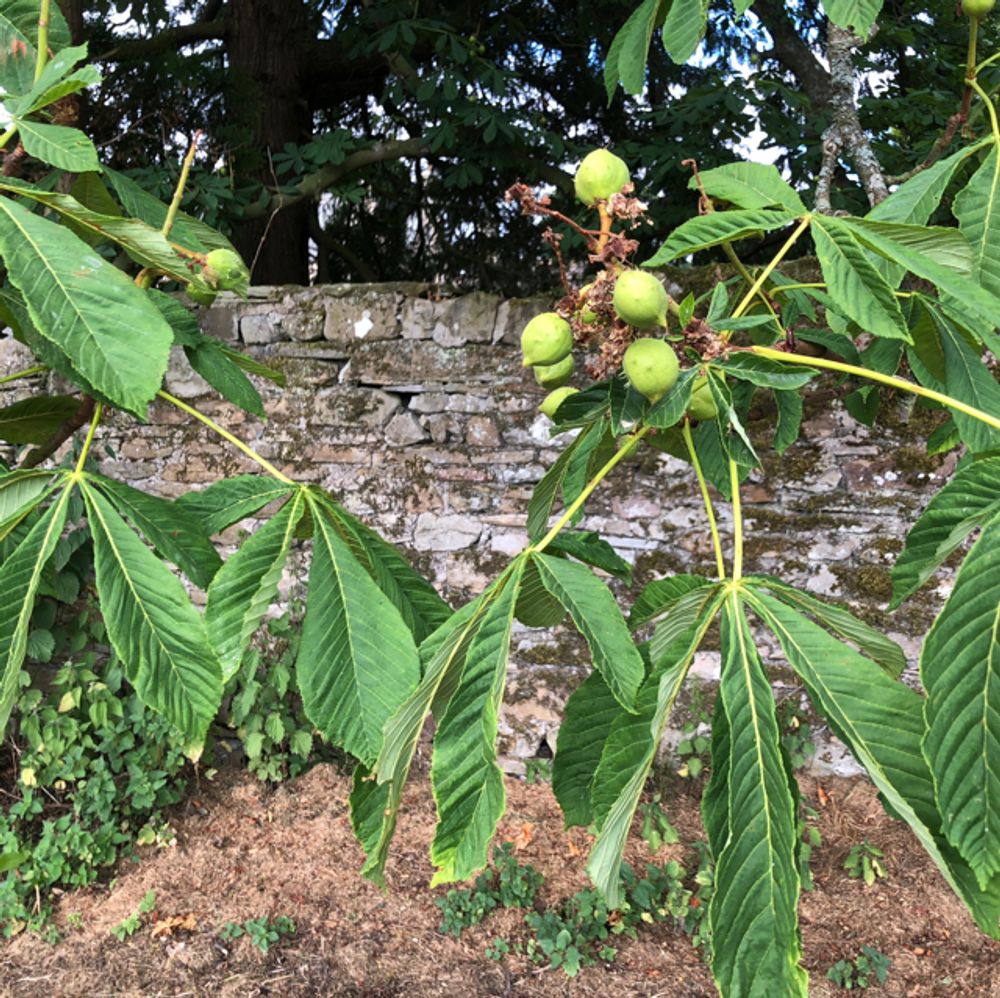
Aesculus parviflora is a deciduous shrub or small tree that can grow up to 20 feet (6 meters) tall. It has palmately compound leaves and produces showy panicles of white flowers in late spring to early summer. The plant also produces large, spiny seed capsules that contain shiny, dark brown seeds.
Plant Care Instructions
Outdoor Size Range
10-20 feet (3-6 meters)
Light Requirements
Bottlebrush buckeye prefers partial shade to full shade. It can tolerate some sun, but too much sun can scorch the leaves.
Humidity Needs
Bottlebrush buckeye prefers moderate to high humidity levels. It can benefit from misting or placing a humidifier nearby.
Fertilizing Schedule
Fertilize in the spring with a balanced fertilizer. Avoid fertilizing in the fall or winter.
Pruning Guidelines
Prune in the late winter or early spring before new growth appears. Remove any dead or damaged branches and thin out crowded areas.
Common Pests and Diseases
Bottlebrush buckeye can be susceptible to leaf spot, powdery mildew, and scale insects.
Indoor Size Range
Not suitable for indoor cultivation
Watering Schedule
It prefers consistently moist soil, but can tolerate some dryness. Water regularly during the growing season and reduce watering in the winter.
Temperature Range
It prefers cool to moderate temperatures and can tolerate temperatures as low as -20°F (-29°C).
Growing Season
Bottlebrush buckeye grows in the spring and summer.
Growing Difficulty Level
Bottlebrush buckeye is moderately difficult to grow. It requires specific growing conditions and can be susceptible to pests and diseases.
USDA Hardiness Zones
USDA hardiness zones 4-8
Did You Know?
Bottlebrush buckeye is native to the southeastern United States and is often found growing in the wild near streams and in moist woodlands.
