Special Web Offer - Get 50% OFF!
Grab Your Deal Now
PlantSnap
Plant Care
California buckeye
(Aesculus californica)
Also Known As
California buckeye, California horse chestnut, Aesculus californica
About This Plant
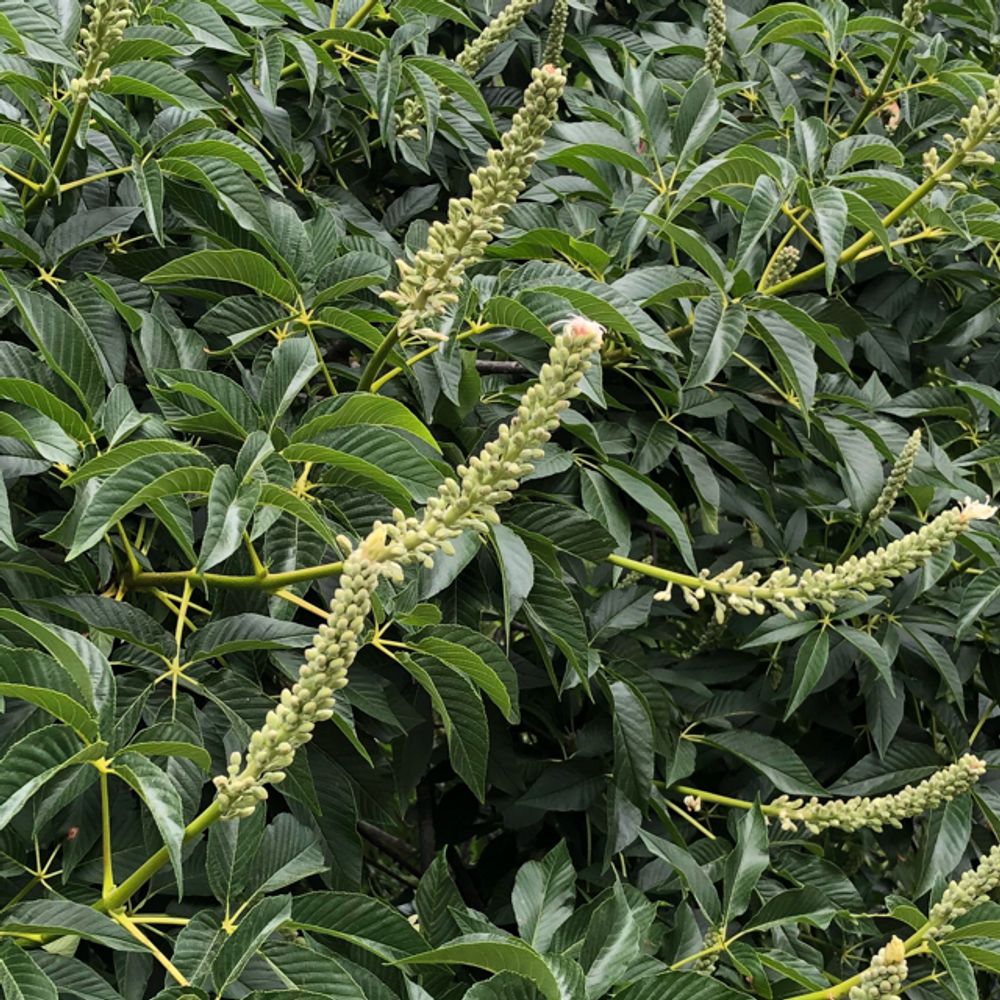
Aesculus californica is a deciduous tree species that belongs to the family Sapindaceae. It is native to California and is commonly known as California buckeye. The tree has a broad, open crown with a short trunk and can reach a height of up to 30 feet (9 meters). The leaves of Aesculus californica are palmately compound and can grow up to 12 inches (30 cm) in length. The tree produces showy, white or pink flowers in the spring, which are followed by large, round fruits with a smooth, hard shell.
Plant Care Instructions
Outdoor Size Range
20-30 feet (6-9 meters)
Light Requirements
Aesculus californica prefers full sun to partial shade. It can tolerate some shade but will not flower as well in shaded areas.
Humidity Needs
Aesculus californica prefers moderate humidity levels but can tolerate dry air.
Fertilizing Schedule
The tree does not require much fertilizer but can benefit from a balanced, slow-release fertilizer in the spring.
Pruning Guidelines
Pruning should be done in the winter or early spring before the tree begins to leaf out. Dead or damaged branches can be removed at any time.
Common Pests and Diseases
Aesculus californica is susceptible to leaf spot, powdery mildew, and scale insects.
Indoor Size Range
Not suitable for indoor growth
Watering Schedule
The tree requires moderate watering during the growing season. It can tolerate some drought but should be watered regularly during extended dry periods.
Temperature Range
The tree is hardy in USDA zones 7 to 10 and can tolerate temperatures down to 10°F (-12°C).
Growing Season
Spring and summer
Growing Difficulty Level
Aesculus californica is moderately difficult to grow. It requires well-drained soil and regular watering but is otherwise relatively low-maintenance.
USDA Hardiness Zones
7 to 10
Did You Know?
The toxic seeds of Aesculus californica were traditionally used by Native Americans to stun fish, making them easier to catch.