Special Web Offer - Get 50% OFF!
Grab Your Deal Now
PlantSnap
Plant Care
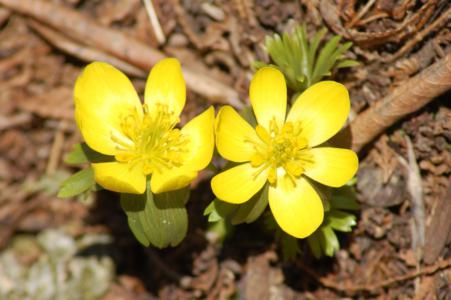
Spring adonis
(Adonis vernalis)
Also Known As
Spring adonis, Pheasant's eye, Isopyrum
About This Plant
Adonis vernalis is a perennial herbaceous plant that belongs to the Ranunculaceae family. It has yellow flowers with a diameter of 5-8 cm and dark green leaves that are divided into narrow lobes. The plant is native to Europe and Asia.
Plant Care Instructions
Outdoor Size Range
Height: 20-40 inches (50-100 cm), Spread: 12-24 inches (30-60 cm)
Light Requirements
Adonis vernalis prefers full sun to partial shade. It can tolerate some shade, but too much shade can lead to weak stems and fewer flowers.
Humidity Needs
Adonis vernalis prefers moderate humidity levels but can tolerate dry air.
Fertilizing Schedule
Adonis vernalis does not require fertilizer, but a light application of a balanced fertilizer in early spring can promote growth and flowering.
Pruning Guidelines
The plant does not require pruning, but deadheading spent flowers can promote more blooms.
Common Pests and Diseases
Adonis vernalis is generally pest-free but can be susceptible to root rot if overwatered.
Indoor Size Range
Not suitable for indoor cultivation
Watering Schedule
The plant prefers well-drained soil and does not tolerate waterlogging. It requires moderate watering during the growing season and should be watered sparingly in winter.
Temperature Range
The plant can tolerate cold temperatures and is hardy to USDA zones 4-8. It prefers cool summers and mild winters.
Growing Season
The growing season for Adonis vernalis is from early spring to early summer.
Growing Difficulty Level
Adonis vernalis is moderately difficult to grow. It requires well-drained soil, moderate watering, and cool temperatures.
USDA Hardiness Zones
USDA hardiness zones 4-8
Did You Know?
Adonis vernalis gets its common name, Spring pheasant's eye, from the Greek myth of Adonis, who was killed by a wild boar and transformed into a flower with a dark center, which is said to represent the wound from the boar's tusk.
