Special Web Offer - Get 50% OFF!
Grab Your Deal Now
PlantSnap
Plant Care
Bear's breeches
(Acanthus)
Also Known As
Bear's breeches, Sea thistle, Ragged robins
About This Plant
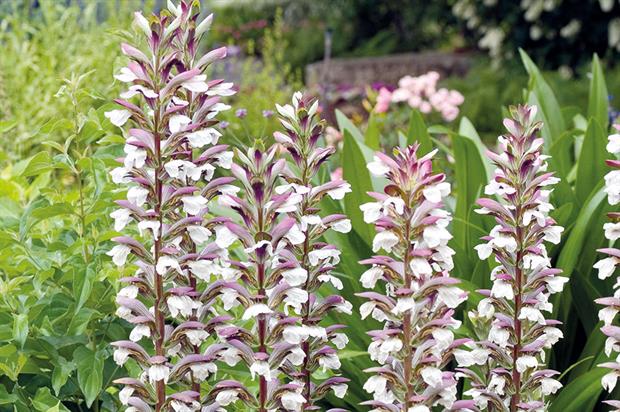
Acanthus is a genus of perennial plants known for their ornamental foliage and showy flowers. The plant has large, glossy, deeply lobed leaves that form a rosette at the base of the stem. The flowers are produced on tall spikes and are usually white, pink, or purple. Acanthus is commonly used as an ornamental plant in gardens and landscapes.
Plant Care Instructions
Outdoor Size Range
36-72 inches (91-183 cm)
Light Requirements
Acanthus plants prefer partial shade to full sun. They can tolerate some shade but may not flower as well.
Humidity Needs
Acanthus plants do not have any specific humidity requirements.
Fertilizing Schedule
Acanthus plants benefit from regular fertilization with a balanced fertilizer. Fertilize every 4-6 weeks during the growing season.
Pruning Guidelines
Acanthus plants do not require pruning, but removing spent flowers can help prolong the blooming period.
Common Pests and Diseases
Acanthus plants are generally not bothered by pests or diseases, but they can be susceptible to root rot if the soil is too wet.
Indoor Size Range
24-48 inches (61-122 cm)
Watering Schedule
Acanthus plants prefer moist, well-drained soil. They should be watered regularly, especially during hot, dry weather.
Temperature Range
Acanthus plants are hardy in USDA zones 5-11 and can tolerate a wide range of temperatures.
Growing Season
Acanthus plants are perennials that bloom in late spring to early summer.
Growing Difficulty Level
Acanthus plants are relatively easy to grow and require minimal maintenance.
USDA Hardiness Zones
USDA hardiness zones 5-11
Did You Know?
The Acanthus plant is named after the Greek word 'akantha', which means 'thorn'. This is due to the spiny nature of the leaves.
