Special Web Offer - Get 50% OFF!
Grab Your Deal Now
PlantSnap
Plant Care
Chenille plant
(Acalypha hispida)
Also Known As
Chenille plant, Bulbasaur plant, Corydalis, Red hot cat tail
About This Plant
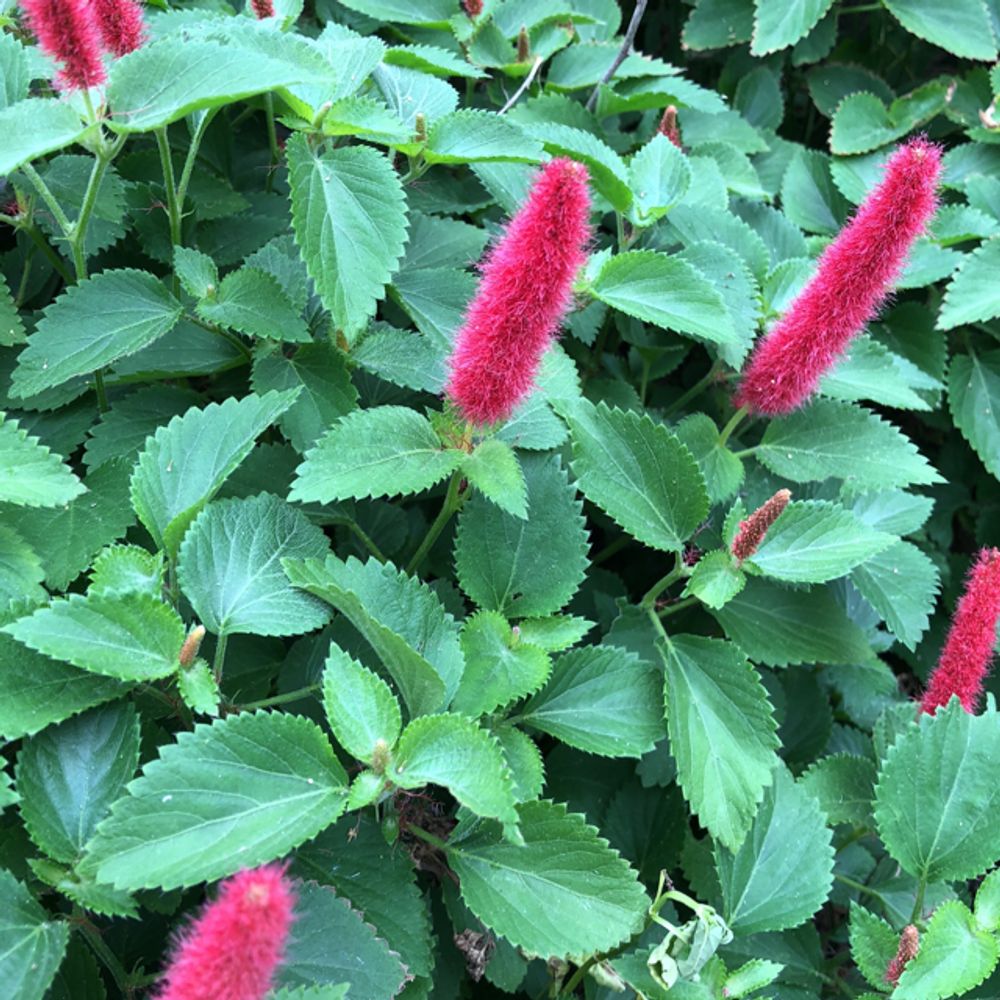
Acalypha hispida is a tropical shrub that is known for its long and fuzzy red flowers. The plant can grow up to 10 feet tall and 6 feet wide, and has a woody stem with green leaves that are 3-5 inches long.
Plant Care Instructions
Outdoor Size Range
5-10 feet (1.5-3 meters) tall and 4-6 feet (1.2-1.8 meters) wide
Light Requirements
The Chenille plant prefers bright, indirect light. It can tolerate some direct sunlight, but too much can burn the leaves.
Humidity Needs
The Chenille plant prefers high humidity, around 50-60%. It can tolerate lower humidity, but may suffer from dry, crispy leaves.
Fertilizing Schedule
Feed the plant every 2-3 weeks during the growing season with a balanced fertilizer. Reduce fertilization during the winter months.
Pruning Guidelines
Prune the plant in the spring to control its size and shape. Cut back any leggy or overgrown branches to encourage new growth.
Common Pests and Diseases
Common pests for the Chenille plant include spider mites, mealybugs, and scale insects. It is also susceptible to root rot if overwatered.
Indoor Size Range
2-4 feet (60-120 cm) tall and 1-3 feet (30-90 cm) wide
Watering Schedule
Water the plant when the top inch of soil is dry. The plant prefers to be kept consistently moist but not waterlogged.
Temperature Range
The plant prefers warm temperatures between 65-80°F (18-27°C) and does not tolerate temperatures below 60°F (15°C).
Growing Season
The Chenille plant can be grown year-round in tropical climates. In cooler climates, it should be grown indoors or in a greenhouse.
Growing Difficulty Level
The Chenille plant is moderately difficult to grow. It requires consistent moisture, high humidity, and warm temperatures, which can be challenging to maintain in some climates.
USDA Hardiness Zones
The Chenille plant is not frost-tolerant and is hardy in USDA zones 10-11.
Did You Know?
The Chenille plant gets its common name from the French word 'chenille', which means caterpillar, due to its long, fuzzy flowers that resemble the body of a caterpillar.
