Special Web Offer - Get 50% OFF!
Grab Your Deal Now
PlantSnap
Plant Care
English rose
(Rosa Abraham Darby )
Also Known As
English rose, Abraham darby rose, Abraham darby english rose
About This Plant
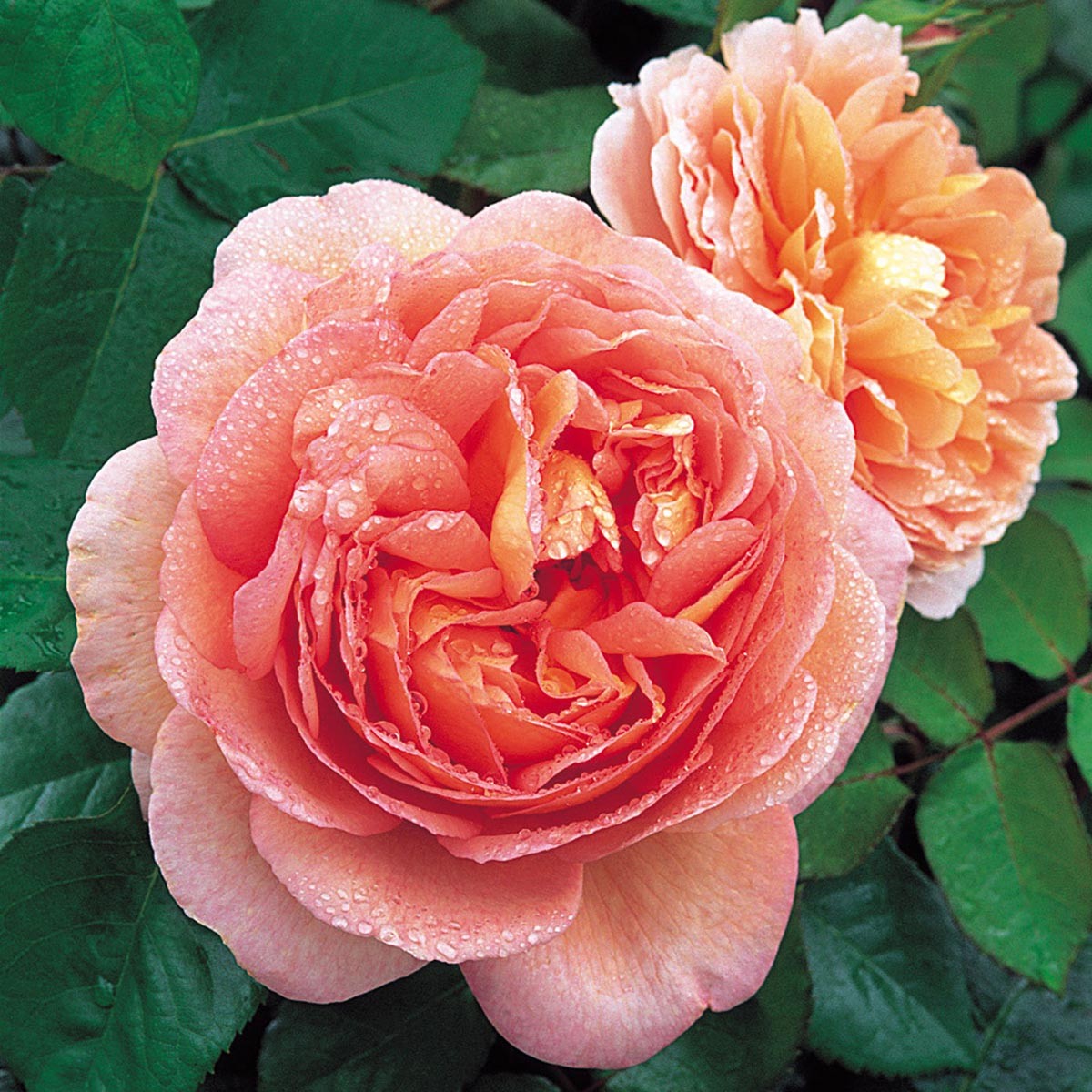
Rosa Abraham Darby is a shrub rose that bears large, fragrant flowers in shades of pink and apricot. It is a popular garden plant due to its beauty and ease of care.
Plant Care Instructions
Outdoor Size Range
3-6 feet (0.91-1.83 meters) tall and 2-4 feet (0.61-1.22 meters) wide
Light Requirements
Abraham Darby roses require full sun, meaning they need at least 6 hours of direct sunlight per day to thrive. They can tolerate some shade, but too much shade will result in fewer flowers and weaker growth.
Humidity Needs
Abraham Darby roses prefer moderate humidity levels, but can tolerate drier air as well.
Fertilizing Schedule
Feed Abraham Darby roses with a balanced fertilizer in early spring, and again after the first flush of blooms. Avoid fertilizing in late summer or fall, as this can encourage new growth that may not have time to harden off before winter.
Pruning Guidelines
Prune Abraham Darby roses in late winter or early spring, before new growth begins. Remove any dead, diseased, or crossing branches, and cut back the remaining canes by about one third to encourage vigorous new growth and abundant blooms.
Common Pests and Diseases
Common pests of Abraham Darby roses include aphids, spider mites, and thrips. Diseases such as black spot, powdery mildew, and rust can also be a problem, especially in humid climates.
Indoor Size Range
Not suitable for indoor growing
Watering Schedule
Water Abraham Darby roses deeply once a week, or more often if the weather is hot and dry. The soil should be moist but not waterlogged. Avoid getting water on the leaves, as this can encourage fungal diseases.
Temperature Range
Abraham Darby roses are hardy in USDA zones 5-9, and can tolerate temperatures as low as -15°F (-26°C). They prefer cool to moderate temperatures, and may struggle in hot, humid climates.
Growing Season
Abraham Darby roses bloom from late spring to early fall, with the heaviest flush of blooms in early summer.
Growing Difficulty Level
Abraham Darby roses are relatively easy to grow, and are a good choice for novice gardeners. They are disease-resistant and require minimal care.
USDA Hardiness Zones
5-9
Did You Know?
The Abraham Darby rose was named after the English ironmaster who built the world's first iron bridge in 1779. It is known for its large, cupped flowers and strong, fruity scent.
