Special Web Offer - Get 50% OFF!
Grab Your Deal Now
PlantSnap
Plant Care
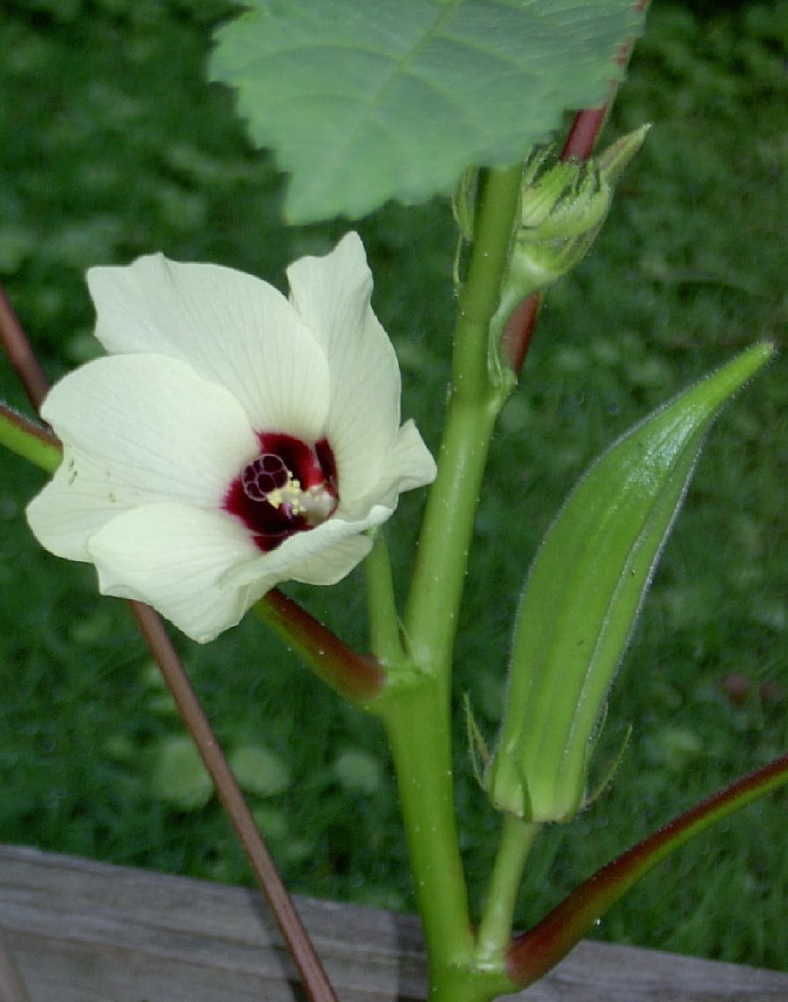
Okra
(Abelmoschus esculentus)
Also Known As
Okra, Lady's finger, Bhindi
About This Plant
Abelmoschus esculentus, commonly known as okra or lady's fingers, is a flowering plant in the mallow family. It is valued for its edible green seed pods.
Plant Care Instructions
Outdoor Size Range
36-60 inches (91-152 cm)
Light Requirements
Okra requires full sun for at least 6 hours a day. It can tolerate some shade, but this will reduce the yield.
Humidity Needs
Okra prefers moderate humidity levels of around 40-60%. High humidity can lead to fungal diseases.
Fertilizing Schedule
Okra requires a balanced fertilizer with a ratio of 10-10-10. Apply fertilizer every 4-6 weeks during the growing season.
Pruning Guidelines
Okra does not require much pruning. Pinch off the tips of the main stem and side branches when the plant is about 3 feet (91 cm) tall to encourage bushier growth.
Common Pests and Diseases
Common pests for okra include aphids, spider mites, and whiteflies. Diseases such as powdery mildew and verticillium wilt can also affect the plant.
Indoor Size Range
36-48 inches (91-122 cm)
Watering Schedule
Okra requires regular watering, especially during hot and dry weather. Water deeply once a week, or more frequently if the soil is dry.
Temperature Range
Okra prefers warm temperatures between 75-90°F (24-32°C). It can tolerate some cooler temperatures, but growth will be slower.
Growing Season
Okra is a warm-season crop that is typically grown from late spring to early fall.
Growing Difficulty Level
Okra is relatively easy to grow, but it requires warm temperatures and regular watering. It can be susceptible to pests and diseases.
USDA Hardiness Zones
Okra is typically grown as an annual and can be grown in USDA hardiness zones 4-11.
Did You Know?
Okra is often used as a thickener in soups and stews due to its mucilaginous properties.
